World · India Bureau
How two Atlantic storms derailed a major US resort development
Assateague Island in the United States was slated to become a sprawling resort community before devastating hurricanes altered its fate. The island's transformation into a protected natural sanctuary instead offers lessons on how nature can reshape human development plans.
LSN India ·
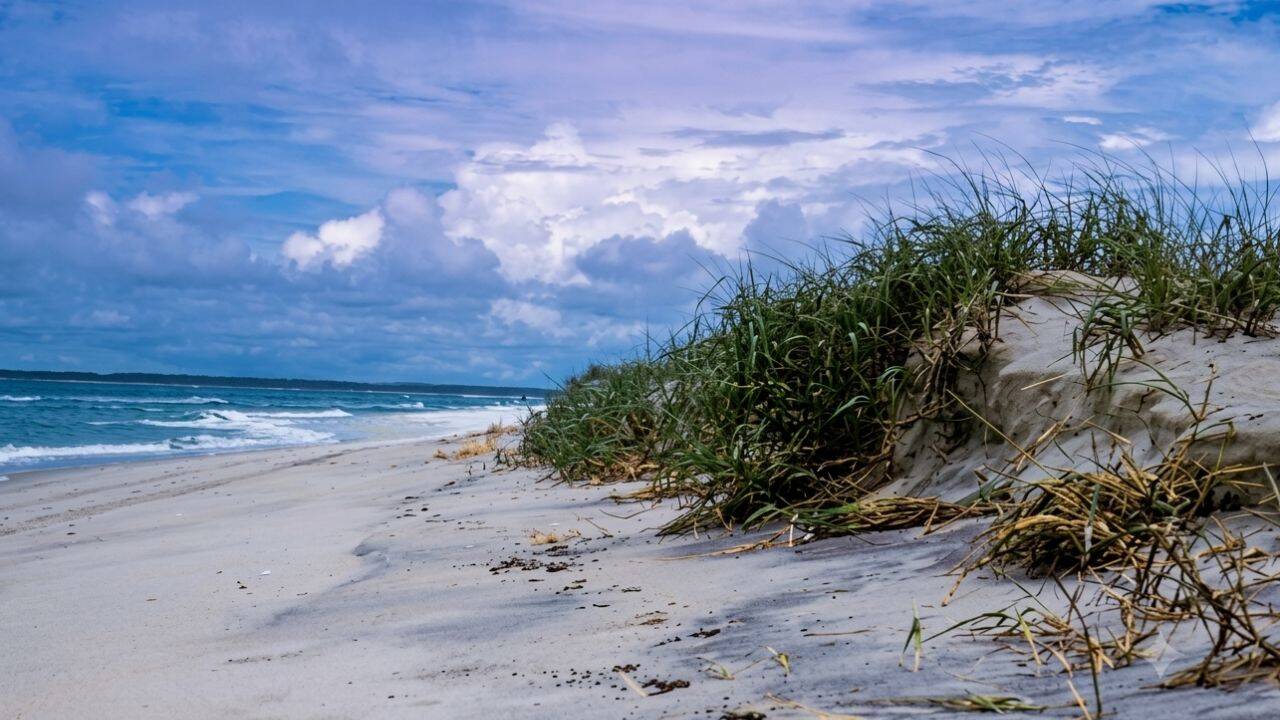
Assateague Island, located off the coast of Maryland and Virginia, was once envisioned as a major resort destination with thousands of residential units, extensive road networks and commercial infrastructure. The ambitious development plans reflected mid-20th century optimism about coastal real estate expansion across the American Atlantic seaboard.
However, nature intervened decisively. A powerful hurricane in 1933 physically split the island, fundamentally altering its geography and viability as a conventional resort location. Decades later, the devastating Ash Wednesday storm of 1962 compounded the damage, destroying roads, structures and further destabilising the development vision.
These successive natural disasters effectively halted the commercial resort plans. Recognising the island's ecological significance and vulnerability to extreme weather, the United States government moved to protect the area instead. In 1965, Assateague Island was officially established as a National Seashore, a protected federal designation.
Today, the island remains largely undeveloped, preserved as a haven for wildlife and pristine coastal ecosystems. The dramatic reversal from planned urbanisation to protected natural reserve demonstrates how environmental forces can fundamentally alter the trajectory of human development projects, ultimately safeguarding valuable natural habitats for future generations.