Politics · India Bureau
How US Power Plants' Tall Smokestacks Created a Pollution Crisis
American power companies' construction of massive smokestacks to disperse pollution locally inadvertently triggered a transnational environmental catastrophe. The strategy, which saw smokestack numbers surge from just two in 1970 to over 180 by 1985, contributed significantly to acid rain across North America.
LSN India ·
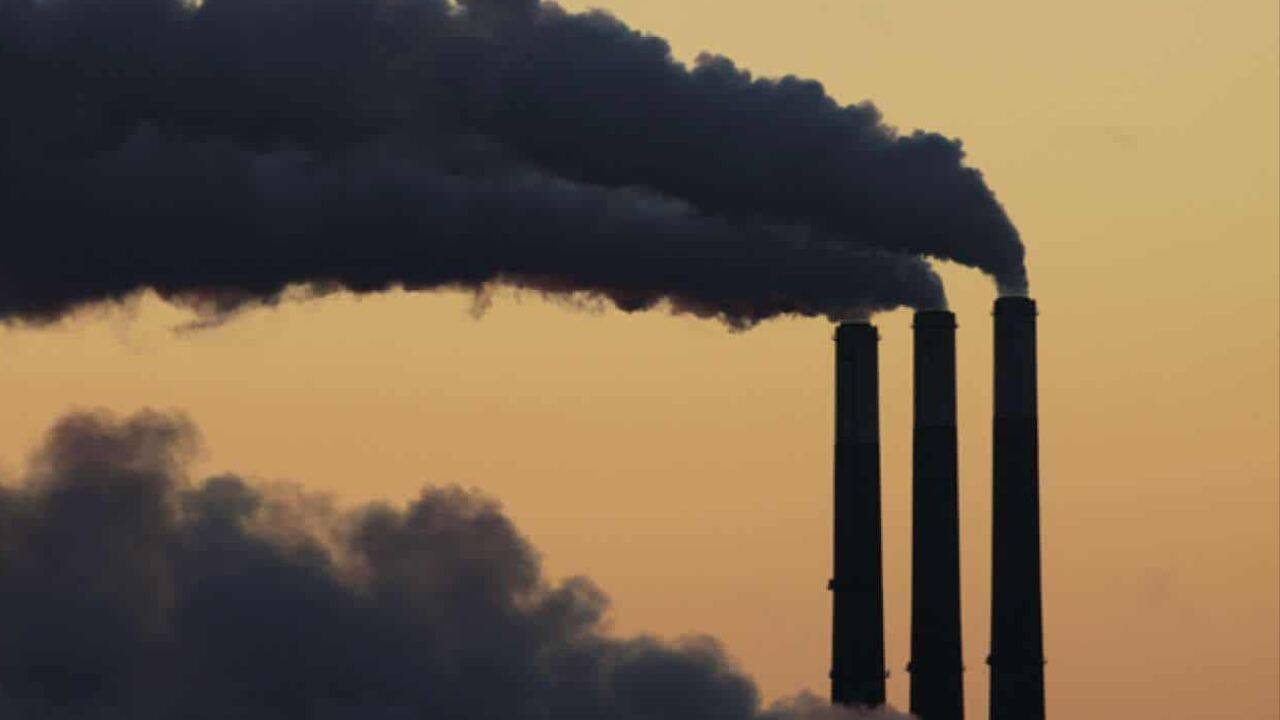
During the 1970s and 1980s, American power companies embarked on an ambitious construction program to address local air quality concerns. Rather than implementing emission controls at the source, these utilities built increasingly tall smokestacks—some reaching 500 feet—designed to release pollutants into higher atmospheric winds where they would disperse over wider geographic areas.
The strategy appeared effective for individual communities. By releasing sulfur dioxide and nitrogen oxides into the upper atmosphere, power plants could reduce ground-level pollution concentrations in their immediate vicinity. However, this approach merely shifted the environmental burden elsewhere. The pollutants, carried by prevailing winds, traveled across state and national borders, depositing as acid rain across North America and damaging fragile ecosystems far from their source.
The unintended consequences of this tall-stack approach prompted federal action. Congress responded by revising the Clean Air Act to restrict the use of tall smokestacks as a pollution management strategy. The revised legislation emphasized source capture and pollution prevention at power plants themselves, rather than atmospheric dispersal of contaminants.
This historical episode underscores a crucial environmental lesson: localized pollution reduction strategies that merely displace rather than eliminate pollutants can have far-reaching ecological consequences. The shift toward source-based emission controls marked a significant evolution in environmental policy, prioritizing genuine pollution reduction over temporary atmospheric mitigation.