World · World News Bureau
Human activity forcing Himalayan bird to alter its distinctive call
Rising human presence in the Himalayas is causing the iridescent monal pheasant to change how it vocalizes, according to recent scientific research. The findings highlight how anthropogenic noise and activity are reshaping animal behavior across the region.
LSN World News ·
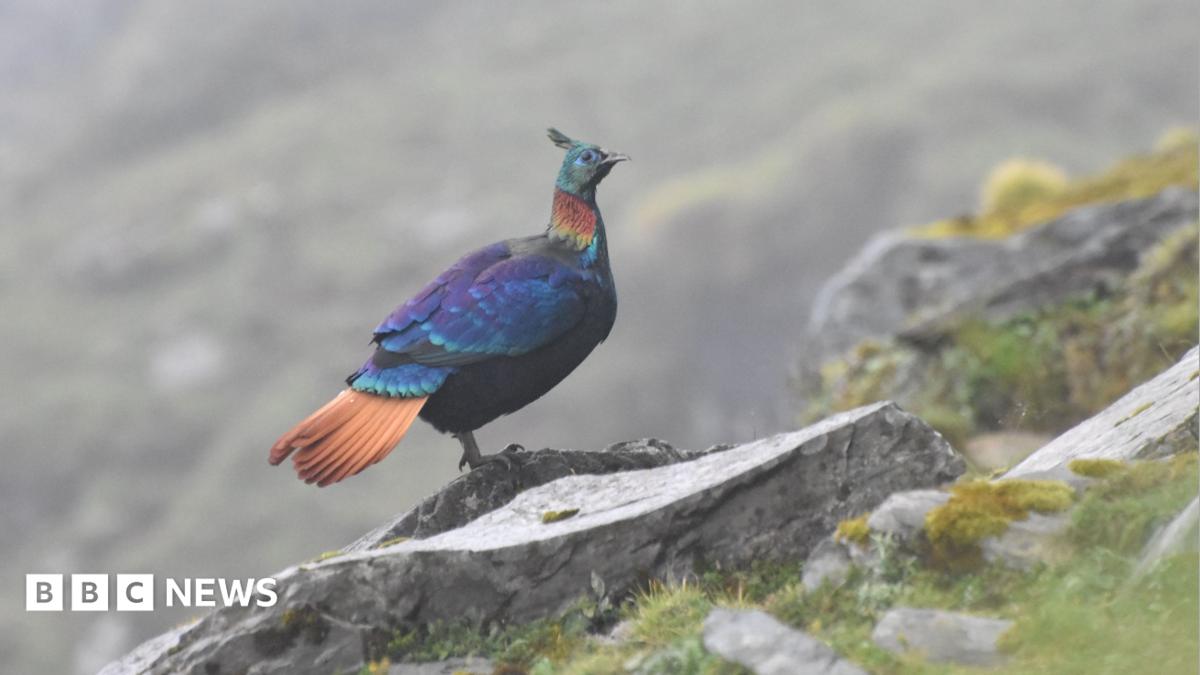
Studies conducted across Himalayan habitats show that increased human activity is fundamentally altering communication patterns in the monal pheasant, a striking bird species known for its brilliant plumage and distinctive vocalizations. Researchers have documented shifts in the bird's calls in areas experiencing heightened human presence, suggesting the species is adapting to a rapidly changing acoustic environment.
The changes appear linked to escalating tourism, construction, and infrastructure development across popular Himalayan regions. As ambient noise levels rise from these activities, the birds are modifying their calls in ways that may affect their ability to communicate with mates and establish territories, core functions for species survival and reproduction.
The research underscores a broader pattern in which wildlife across Asia's mountains are experiencing behavioral modifications due to human encroachment. Scientists emphasize that such vocal adaptations, while demonstrating species resilience, may carry long-term ecological costs that remain poorly understood.
Conservationists point to the findings as evidence that protecting critical Himalayan habitats requires managing not only land use but also the cumulative impact of human activities on animal communication and behavior. The monal pheasant's situation reflects mounting pressures facing numerous endemic and migratory species throughout the region.