Human Rights Commission orders probe into damage caused by drilling of Sigiriya rock in 2017
The HRCSL found that a cable system for hauling goods had been fixed to the rock, that the rock had been drilled with power tools, and that modern mortar and cement had been used to conserve old plaster, and that the respondents failed to show proper approval had been obtained.
LSN Sri Lanka ·
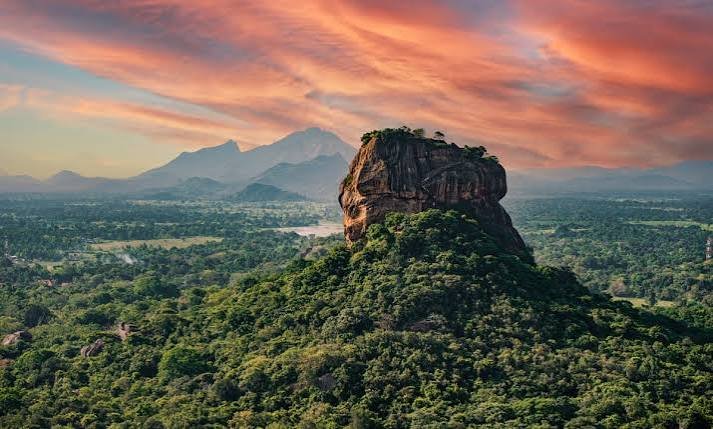
<p>The Human Rights Commission of Sri Lanka (HRCSL) has ordered an investigation into, and prompt action over, damage allegedly caused to the Sigiriya rock in 2017 by drilling into it and fixing heavy equipment to it.</p>
<p>The Sunday Times reported that, in a ruling dated 20 October on a petition, the commission directed the Department of Archaeology, the Central Cultural Fund (CCF), the Ministry of Cultural Affairs and the CCF's Sigiriya project to carry out the investigation and take prompt action.</p>
<p>The commission also stressed that, when dealing with matters of national importance, a proper mechanism must be put in place under the joint supervision of the Department of Archaeology, the Cultural Triangle and the National Building Research Organisation (NBRO).</p>
<p>A petitioner, Deeman Ananda, had alleged that archaeological evidence was being destroyed by conservation and development work carried out at the World Heritage site in 2017. In his petition he claimed that holes had been drilled into the rock, that machinery had been fixed to it, that the Lion's Paw had been altered and that ancient inscriptions had been removed.</p>
<p>The Human Rights Commission says it looked into the petitioner's complaints through an on-site inspection, and observed that a cable system had been installed to transport goods from the foot of the rock to the summit, with related equipment fixed to the rock. The commission also found that the rock had been drilled using power tools, and that modern mortar and cement had been used when conserving old plaster.</p>
<p>The commission concluded that the respondents had failed to establish that the construction work was carried out with proper approval or in line with proper procedure.</p>
<p>The commission also pointed out that this had caused damage to the Sigiriya rock, the most important natural and cultural feature of Sigiriya. It further stated that development work carried out without proper procedure could violate rights relating to cultural and environmental heritage.</p>
<p>However, the ruling states that the petitioner failed to substantiate his other allegations, including that ancient inscriptions had been removed, and the Department of Archaeology informed the commission that only seven inscriptions have been identified in the Sigiriya area.</p>
<p>Stressing the importance of archaeological sites, the commission has made recommendations for the issue to be resolved through the relevant authorities and for the steps needed to protect archaeological sites and their historical value.</p>
<p>Translated from the LSN Sinhala edition.</p>