World · World News Bureau
Human smuggling gangs turn to larger boats as enforcement tightens
Criminal networks involved in migrant trafficking are consolidating operations and deploying bigger vessels as authorities crack down on traditional small boat supplies. Previously competing gangs are increasingly forced into cooperation due to equipment shortages.
LSN World News ·
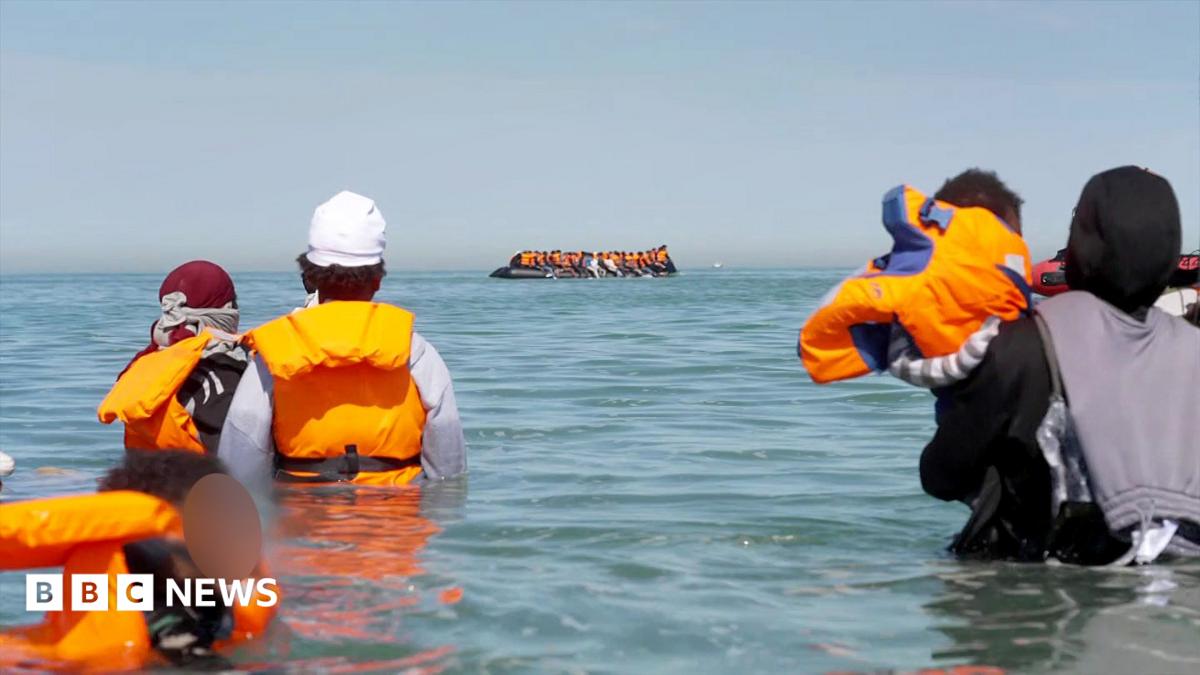
Organized smuggling operations across key migration routes are undergoing significant tactical shifts in response to intensified law enforcement efforts, according to investigative findings. The shortage of small boats—traditionally the primary vessels used for clandestine crossings—is driving criminal groups toward larger, improvised craft capable of transporting more migrants in single operations.
The consolidation reflects changing dynamics within smuggling networks that have historically operated as rival enterprises. Faced with depleted inventories of suitable small vessels, previously competing organizations are establishing operational partnerships and pooling resources to acquire and deploy bigger boats. This adaptation allows gangs to maintain revenue streams despite restricted access to their conventional equipment.
The larger vessels, sometimes characterized as 'mega-dinghies,' present distinct operational advantages for smugglers seeking to maximize profit margins per crossing. However, authorities monitoring migration routes suggest these bigger boats may introduce different enforcement challenges, as the vessels' increased capacity and visibility alter traditional interdiction patterns.
The shift underscores how supply-side enforcement measures—targeting boat procurement and distribution networks—continue to reshape smuggling operations rather than eliminate them entirely. Law enforcement agencies across affected regions are adjusting counter-smuggling strategies to address evolving transportation methods and the coordinated nature of consolidated criminal groups.