Politics · Singapore Bureau
Humanoid robot sector attracts billions despite minimal real-world uptake
Investment in humanoid robotics continues to surge globally, yet commercial deployments remain negligible compared to traditional industrial and service robots. The sector sold just 7,000 units worldwide in 2024, dwarfed by 542,000 industrial and 199,000 service robot installations.
LSN Singapore ·
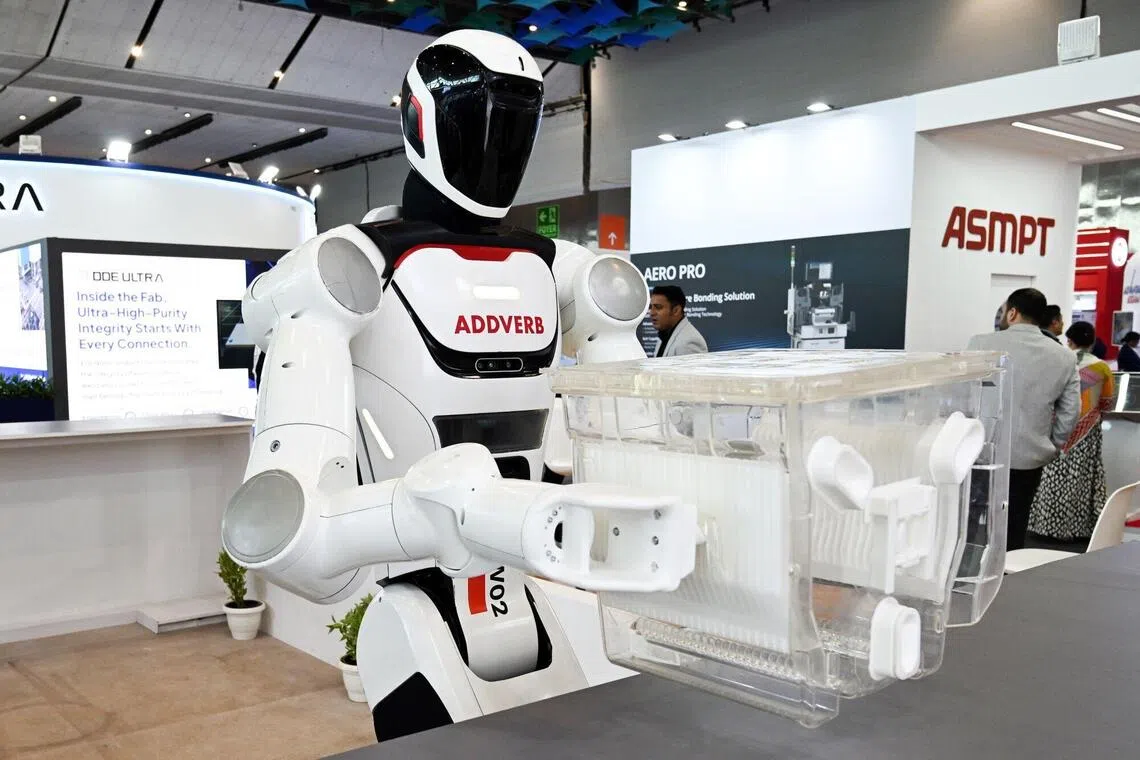
The humanoid robotics industry is experiencing a significant disconnect between investor enthusiasm and market reality, with companies raising billions in capital while struggling to achieve meaningful commercial traction. Last year saw fewer than 7,000 humanoid robots deployed globally—a fraction of the robotic systems now operating across manufacturing and service sectors worldwide.
The disparity underscores the challenges facing humanoid robot developers as they work to overcome technical hurdles and prove real-world applications. Traditional industrial robots, by contrast, installed 542,000 units in 2024, while service robots—designed for tasks like cleaning, delivery and hospitality—reached 199,000 deployments. These established categories demonstrate mature markets with clear economic justification.
Despite the modest sales figures, funding for humanoid robotics companies continues to accelerate, driven by expectations of transformative potential in labour-scarce markets across Asia and beyond. Developers are focusing on addressing cost, reliability and safety concerns that currently limit adoption. Industry observers suggest that widespread humanoid deployment remains several years away, even as investment capital floods into the sector.
For Southeast Asian economies facing demographic pressures and labour shortages, humanoid robots represent a potential long-term solution. However, the technology's current state suggests that more conventional automation solutions will likely dominate workplace transformation in the near term.