World · World News Bureau
Humanoid Robots Challenge Athletic Boundaries at Global Competitions
Advanced robotic competitors are increasingly matching and surpassing human athletic performance at international sporting events, raising questions about the future of human competition and technological integration in sports.
LSN World News ·
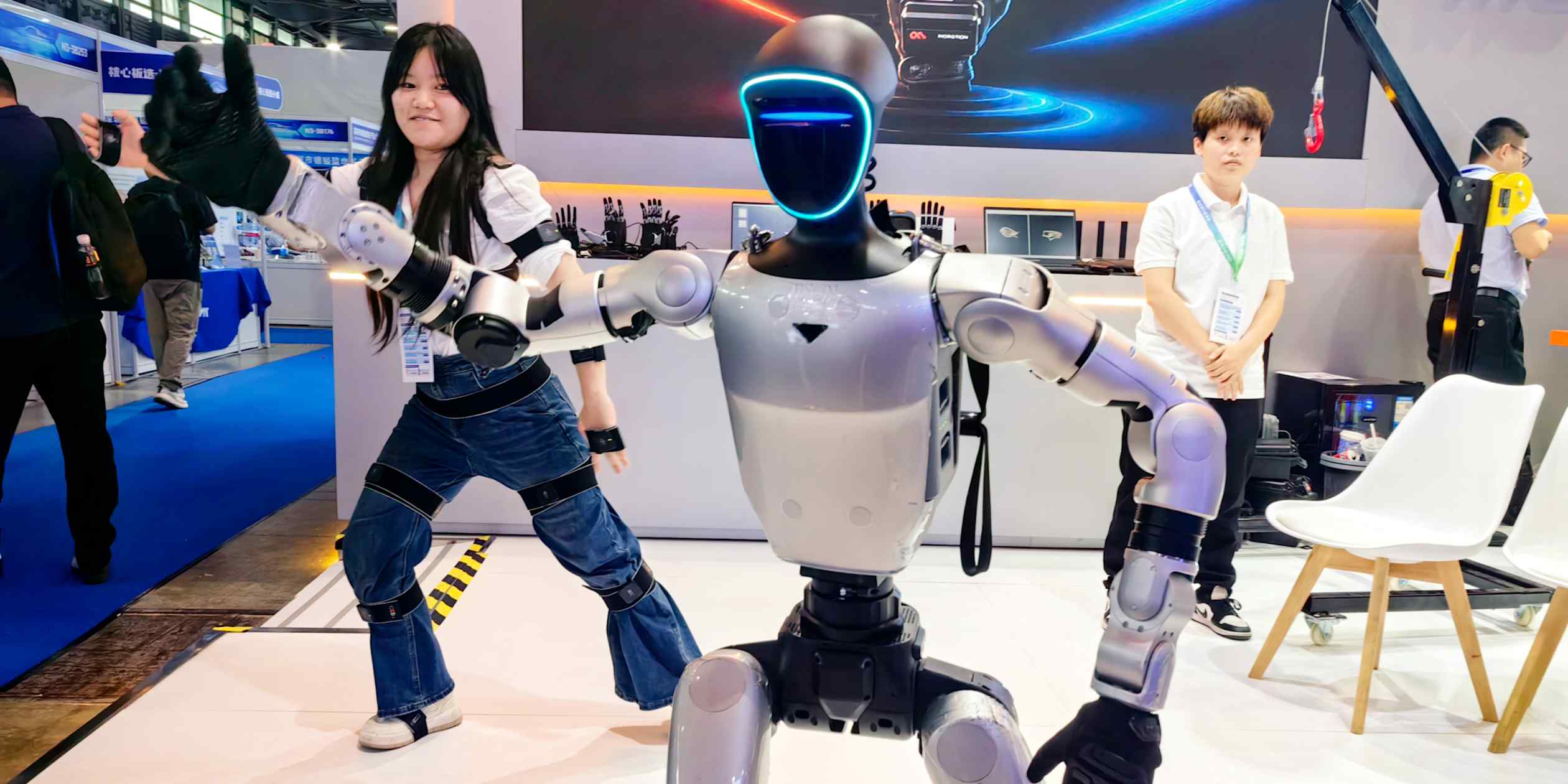
Humanoid robots have begun demonstrating athletic capabilities that rival Olympic-level human performance, marking a significant milestone in robotics and artificial intelligence development. Recent competitions featuring bipedal machines navigating obstacle courses, executing precision movements, and achieving sprint speeds comparable to elite athletes have sparked widespread discussion about the implications for traditional sports and human achievement.
Engineers and roboticists have invested years perfecting balance, coordination, and motor control systems that enable these machines to perform feats requiring split-second decision-making and physical dexterity. The advancement reflects breakthroughs in mechanical engineering, sensor technology, and autonomous systems that have progressively narrowed the performance gap between machines and humans across multiple athletic disciplines.
Sports officials and governing bodies now face emerging questions about competition standards, the role of technology in athletic events, and whether separate categories for robotic competition should be established. Some experts suggest these developments could eventually transform how sports are organized, potentially creating dedicated leagues or events specifically designed for advanced machines.
The rise of humanoid athletic competitors also highlights broader discussions about artificial intelligence, automation, and human relevance in an increasingly technology-driven world. While some view robotic athletics as entertainment and technological validation, others see it as emblematic of larger shifts reshaping labor, competition, and human purpose across society.