World · India Bureau
Humble Duck Stamp Becomes America's Conservation Champion
A simple $1 stamp created in 1934 has evolved into one of America's most effective wildlife protection tools, generating billions for habitat conservation. The iconic duck stamp programme has safeguarded over 6 million acres of wetlands across the United States.
LSN India ·
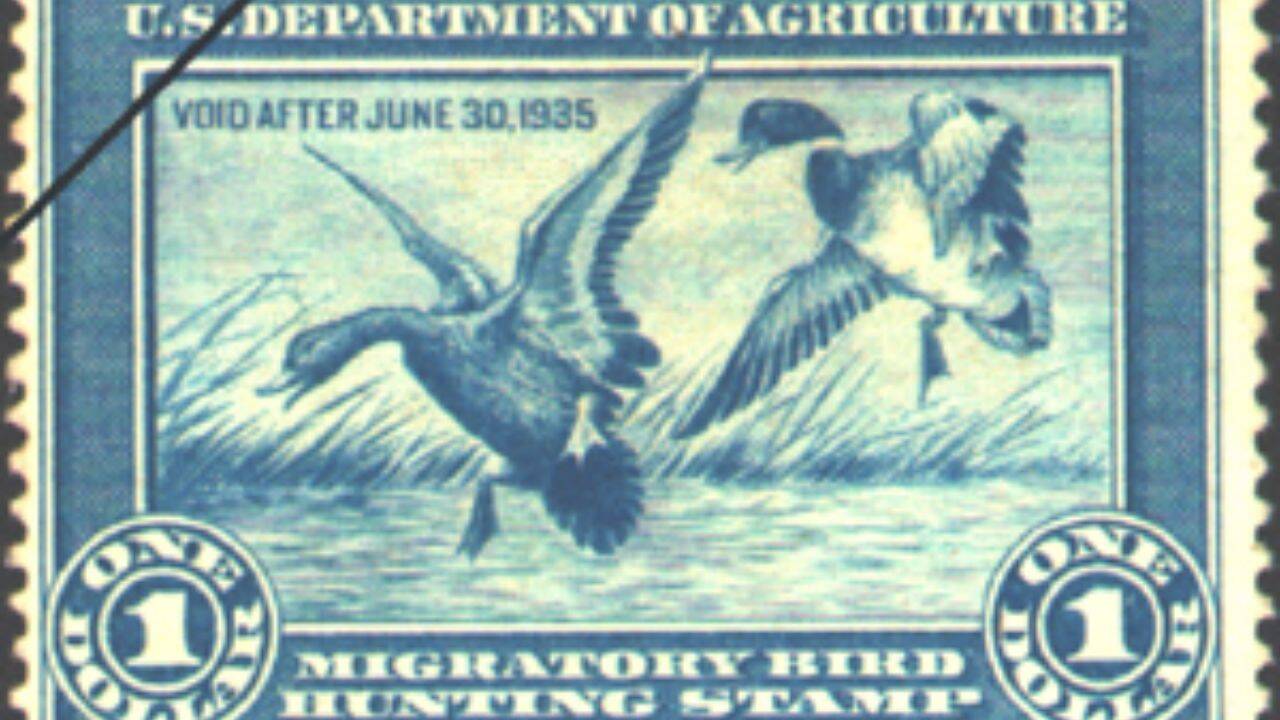
What began as a modest $1 federal duck stamp nearly nine decades ago has blossomed into America's most successful voluntary conservation funding mechanism. Introduced in 1934, the stamp was designed to support waterfowl hunting regulations while generating revenue for habitat preservation. Today, it stands as a testament to how creative policy instruments can drive large-scale environmental protection.
The duck stamp programme works by requiring hunters to purchase the stamp as part of their licensing requirements. Every dollar collected goes directly into the Migratory Bird Conservation Fund, which finances the acquisition and management of wetland refuges across the country. This dedicated funding stream has proven remarkably consistent and politically resilient, insulating conservation efforts from annual budgetary fluctuations that often plague environmental programmes.
Over nearly nine decades, the cumulative impact has been substantial. The programme has protected more than 6 million acres of ecologically vital wetlands, creating sanctuaries for migratory waterfowl and countless other species. These protected areas also provide secondary benefits including water filtration, flood control, and carbon storage—ecosystem services that benefit human communities far beyond the hunting community.
Beyond its direct conservation impact, the duck stamp programme has influenced environmental policy thinking globally. It demonstrates how small, incremental fees can mobilize significant resources when coupled with sustained administrative commitment. The scheme's longevity reflects broad political consensus that protecting natural habitats serves both recreational and ecological interests, a principle increasingly relevant as wetland ecosystems face mounting pressures from climate change and development.