World · India Bureau
Hundreds Make Hidden Lives in Las Vegas Flood Tunnel Network
Beneath the glittering streets of Las Vegas, a sprawling network of drainage tunnels spanning 600 miles has become an unintended refuge for hundreds of residents living in extreme poverty. The subterranean passages, originally designed to manage the city's flash floods, have transformed into a shadow community largely invisible to the outside world.
LSN India ·
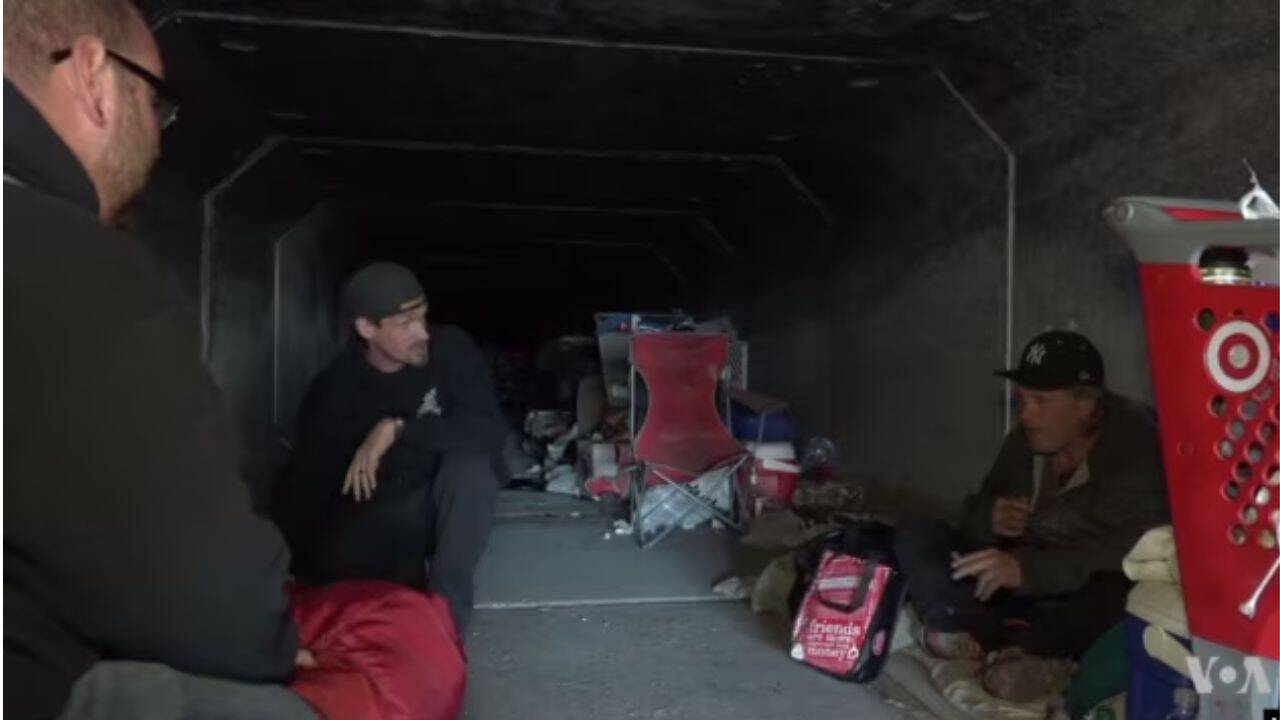
The flood tunnel system beneath Las Vegas represents one of North America's most unusual housing situations, where vulnerable populations have established makeshift dwellings within the concrete corridors. These tunnels, which stretch for approximately 600 miles, were engineered as part of the city's infrastructure to manage seasonal water runoff during rare but intense rainfall events. However, the passages have increasingly become shelter for individuals facing homelessness and economic hardship.
Hundreds of people have adapted to permanent or semi-permanent residence within these tunnels, creating small communities with their own social structures and survival mechanisms. The individuals living in these spaces typically lack access to adequate housing in a city where tourism and hospitality dominate the economy, leaving lower-income residents with limited affordable alternatives. Many tunnel dwellers face challenges including limited access to clean water, sanitation facilities, and healthcare services.
The existence of this underground population highlights broader housing and homelessness issues affecting major American cities. Las Vegas authorities and social service organisations have grappled with how to address the needs of tunnel residents while managing the city's infrastructure. Efforts to provide alternative housing and social services remain ongoing, though the scale of the problem continues to challenge local resources and policy responses.
The tunnel community serves as a stark reminder of the economic divides persisting beneath the surface of one of America's most visited destinations, where prosperity and extreme poverty coexist in close proximity.