Culture & Entertainment · India Bureau
Hyderabad's multiplex chains tap multilingual audiences beyond regional staples
Cinema halls in Hyderabad are expanding their linguistic reach through subtitled releases and premium screening options, drawing audiences to films in languages beyond Telugu, Hindi and English. The strategy reflects growing demand from cosmopolitan viewers and migrant communities seeking diverse content.
LSN India ·
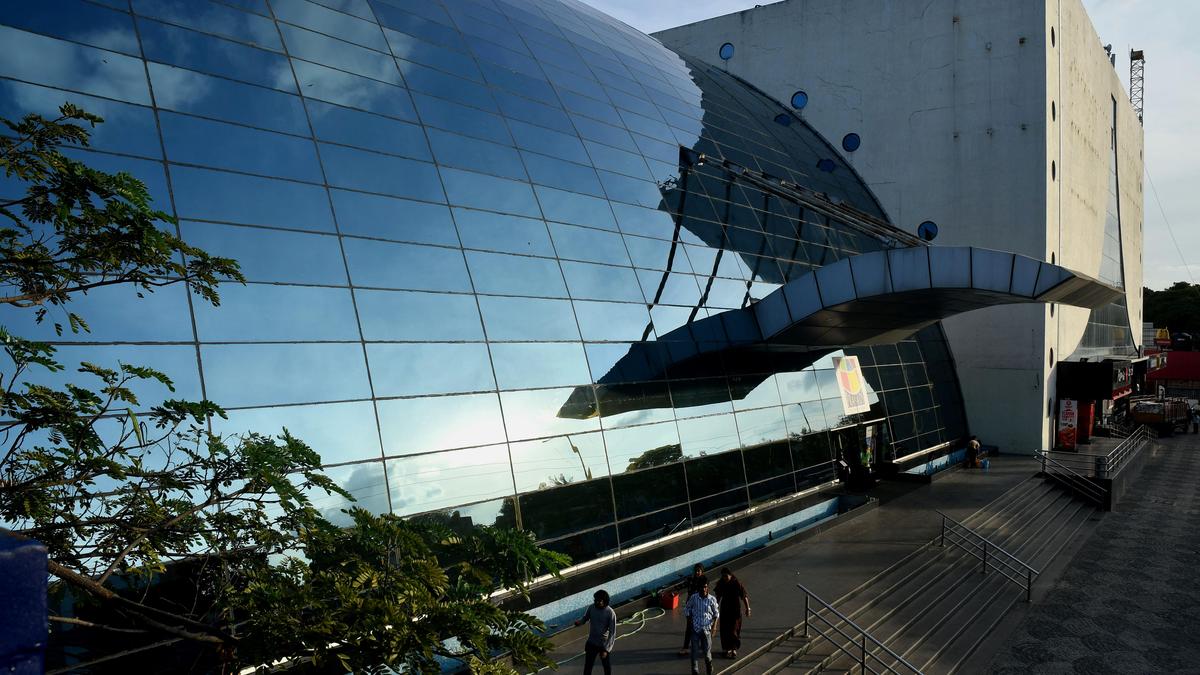
Multiplex operators across Hyderabad are increasingly capitalizing on the city's linguistic diversity by screening films in languages such as Tamil, Kannada, Marathi and Malayalam, supplemented by subtitles and strategic marketing campaigns. The shift represents a departure from traditional programming that heavily favoured Telugu, Hindi and English-language productions, operators and industry observers say.
Premium cinema chains have rolled out dedicated shows for non-mainstream language films, installing screens equipped for subtitled content and targeting specific community groups through digital promotions. The investment reflects cinema halls' recognition that Hyderabad's growing middle class and expatriate population present untapped revenue streams beyond conventional releases.
Industry analysts attribute the trend to improved distribution networks and reduced production costs for regional cinema, combined with audiences' willingness to explore content outside their native language. Several multiplexes have also introduced membership drives and loyalty programmes to encourage repeat visits across diverse language offerings.
The expansion comes as multiplex chains nationwide seek revenue diversification amid post-pandemic recovery. Theatre owners in Hyderabad report encouraging initial responses to multilingual programming, with some shows drawing comparable attendance to mainstream releases. The trend underscores how regional entertainment markets are evolving to reflect India's linguistic plurality and urbanization patterns.