Business · India Bureau
Hyderabad's Old City preserves centuries of heritage amid urban change
The historic quarters of Hyderabad's Purana Shahar remain a living chronicle of the city's multifaceted past, where Qutb Shahi and Asaf Jahi legacies persist through architecture, commerce and daily life. Despite rapid modernization reshaping the broader metropolis, this district maintains its distinct character and cultural continuity.
LSN India ·
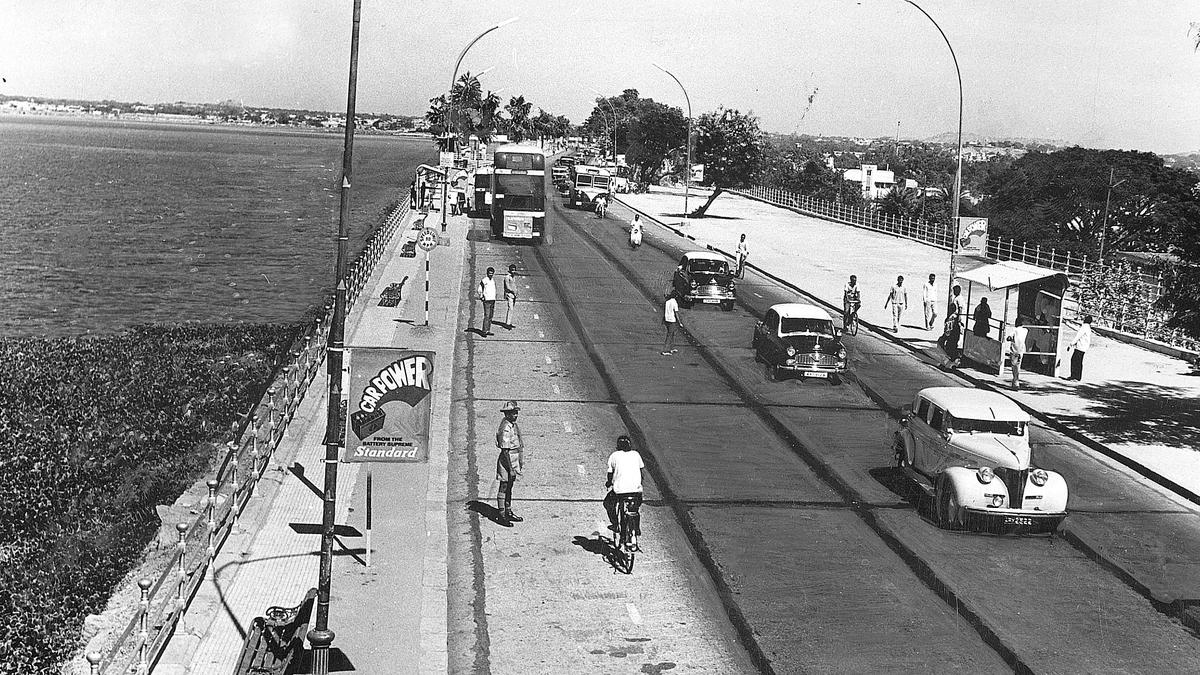
Historic city quarters across South Asia—from Delhi to Lucknow and Hyderabad—possess a unique temporal quality where the past exists not merely as preserved monuments but as an active dimension woven into contemporary urban life. In Hyderabad's Old City, this layered history manifests through bustling markets, linguistic patterns, traditional practices and architectural forms that collectively constitute a living repository of centuries gone by.
The influence of successive dynasties remains visible and tangible throughout Purana Shahar. The architectural vocabulary, urban layout and cultural institutions of the Qutb Shahi and Asaf Jahi periods continue to define the district's identity. These legacies are neither confined to museums nor tourist landmarks; rather, they permeate the everyday transactions, social customs and spatial organization that characterize life in these streets.
As Hyderabad undergoes rapid urbanization typical of India's growing metropolitan centers, the Old City has maintained a distinctive warmth and character that newer developments struggle to replicate. The district's markets, communal spaces and residential neighborhoods preserve memory and meaning accumulated across generations. This persistence of cultural continuity amidst broader urban transformation underscores how historic districts function as anchors for collective identity and social cohesion in rapidly changing cities.