Politics · India Bureau
Hyderabad's tech boom flourished under political stability, officials say
Over the past 25 years, Hyderabad's emergence as a major technology hub has been underpinned by consistent government policies and infrastructure investment across multiple administrations. The city's transformation from twin cities to a thriving tech corridor reflects the benefits of sustained political continuity.
LSN India ·
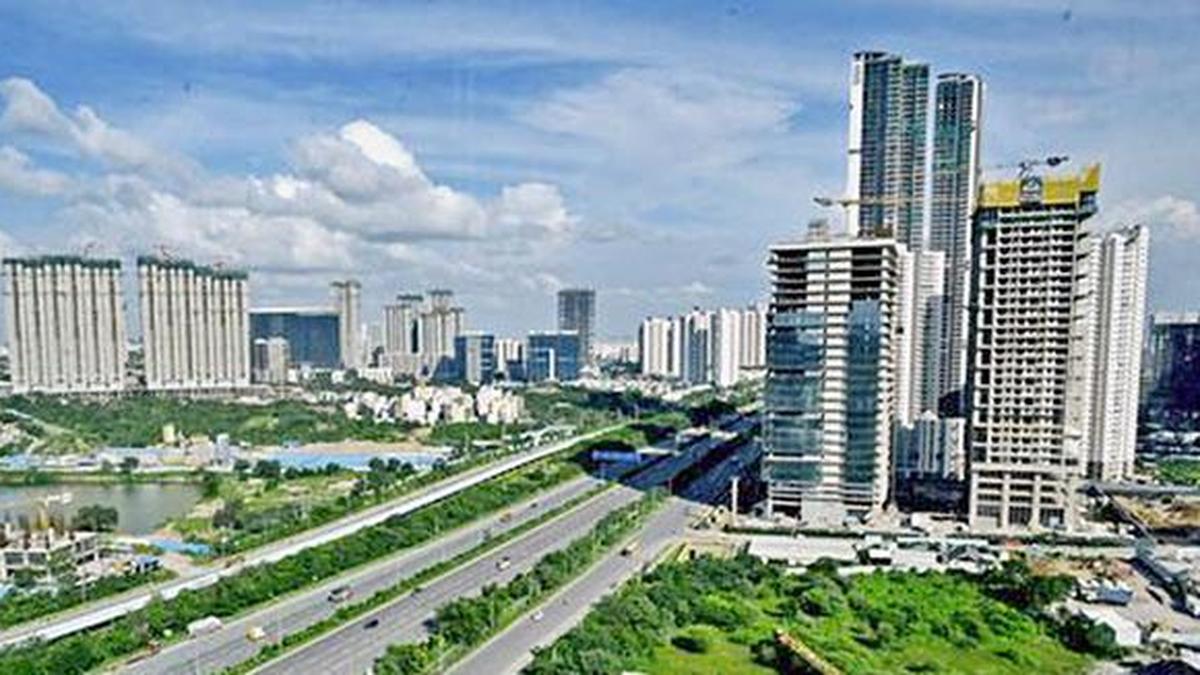
Hyderabad's rapid evolution into one of India's premier information technology destinations can be largely attributed to the political continuity experienced by the city over the last two-and-a-half decades, according to development analysts.
The city's tech sector trajectory began in the late 1990s with the development of HITEC City, which emerged as a third major urban centre alongside the twin cities of Hyderabad and Secunderabad. The initiative provided IT companies with a dedicated hub, setting the foundation for the region's digital economy.
Successive governments built upon this foundation through the systematic expansion of the Cyberabad corridor and coordinated infrastructure development. Roads, power supply, telecommunications networks and other civic amenities were progressively enhanced to support growing business needs. This measured, sustained approach to urban planning proved crucial as the sector expanded.
The consistency in policy direction across multiple election cycles allowed for long-term vision implementation without disruption. Infrastructure projects initiated under one administration could be completed and expanded under the next, creating a seamless environment for investment and business growth.
Today, Hyderabad ranks among South Asia's leading technology centres, hosting major IT firms and generating substantial employment and revenue. Development experts point to this period of political stability as a key factor differentiating Hyderabad's success from cities where policy direction frequently shifted with electoral changes.