Politics · India Bureau
Hyderabad's Traffic Woes Highlight Need for Better Urban Planning
The Telangana capital's experience with congestion around KBR Park suggests that policymakers are increasingly recognizing that expanding road infrastructure alone cannot solve traffic problems in growing cities.
LSN India ·
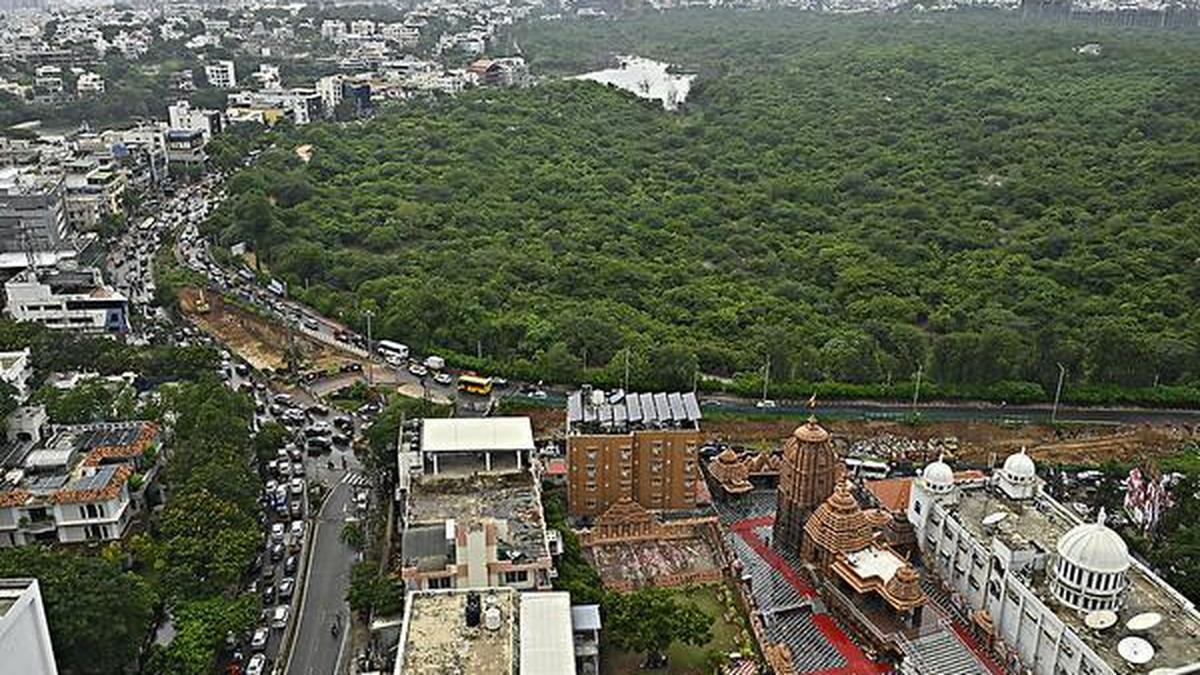
The traffic management challenges around Hyderabad's Kasu Brahmananda Reddy National Park have emerged as a case study in the limitations of conventional infrastructure expansion strategies. Authorities eventually resorted to converting stretches of surrounding roads to one-way traffic systems in an attempt to facilitate movement around the popular recreational area, underscoring a shift in understanding about urban mobility.
The measures taken suggest that city administrators have come to recognize the diminishing returns of simply adding more road capacity to congested areas. Despite continuous infrastructure development in the corridor, the fundamental problem of vehicle saturation persisted, prompting the implementation of traffic management alternatives.
Transportation experts and urban planners point to such experiences as critical lessons for developing cities across India. As metropolitan areas grapple with rapidly increasing vehicular numbers, the focus is gradually shifting toward integrated approaches that combine public transportation, traffic management, and land-use planning rather than relying solely on road expansion.
For other Indian cities facing similar congestion challenges, the Hyderabad experience underscores the importance of comprehensive urban mobility strategies developed in tandem with growth planning. Policymakers are increasingly acknowledging that sustainable traffic solutions require coordinated efforts across multiple administrative and planning domains, rather than treating road infrastructure as an isolated solution to congestion problems.