World · India Bureau
Hyderabad transforms into multi-centred metropolis beyond historic core
From a compact city to a sprawling urban expanse, Hyderabad has undergone a dramatic transformation over five decades. Economic growth, job creation and major infrastructure projects have scattered development across multiple hubs, fundamentally reshaping the city's geography and urban character.
LSN India ·
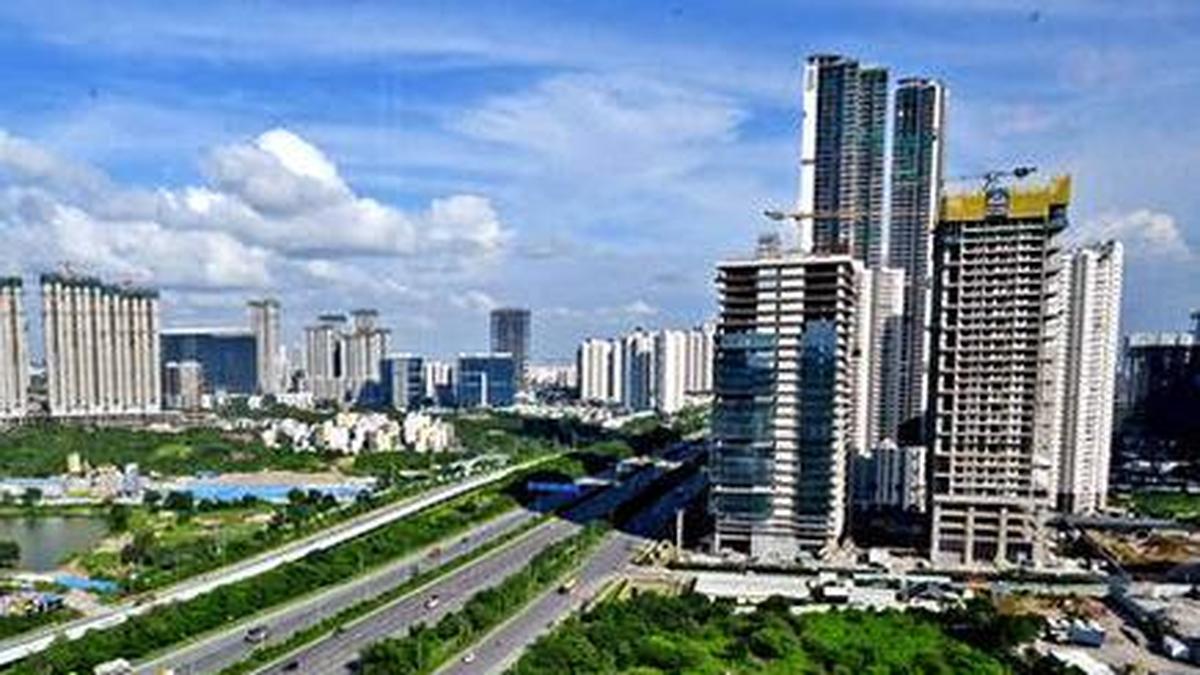
Hyderabad's evolution from a tightly-knit city concentrated around its historic centre to a sprawling, polycentric metropolis reflects broader patterns of urbanisation across India's major metros. The shift has been driven by multiple interconnected factors: robust employment generation, sustained migration inflows, rising household incomes, and strategic infrastructure investments that have extended the city's footprint far beyond its traditional boundaries.
Development corridors have emerged across the western, southern and northern peripheries, creating new residential and commercial districts that rival the established city centre in scale and economic activity. Real estate expansion has followed employment opportunities, with IT parks, business districts and manufacturing hubs anchoring growth in previously undeveloped areas. This decentralisation has transformed commute patterns and residential preferences among the city's workforce.
The architectural and demographic profile of Hyderabad has shifted markedly as a result. New neighbourhoods have sprung up with modern amenities and planned layouts, attracting both young professionals and families seeking contemporary urban living. Simultaneously, the city's traditional core has seen its relative importance diminish as economic activity disperses across multiple centres.
This transformation reflects broader trends reshaping Indian metropolitan areas, where infrastructure development and employment growth increasingly drive urban expansion beyond historical city limits. The pattern carries implications for urban planning, transportation networks, and the sustainability of future growth patterns across the region.