World · India Bureau
IAF Chief Advocates Tailored Theatreisation Model, Warns Against Fighter Fragmentation
Air Chief Marshal AP Singh has outlined a phased, India-centric approach to military theatreisation while cautioning against dispersing fighter aircraft assets across multiple commands. The IAF leader emphasised that centralised control combined with decentralised execution remains essential to preserve air power's operational flexibility.
LSN India ·
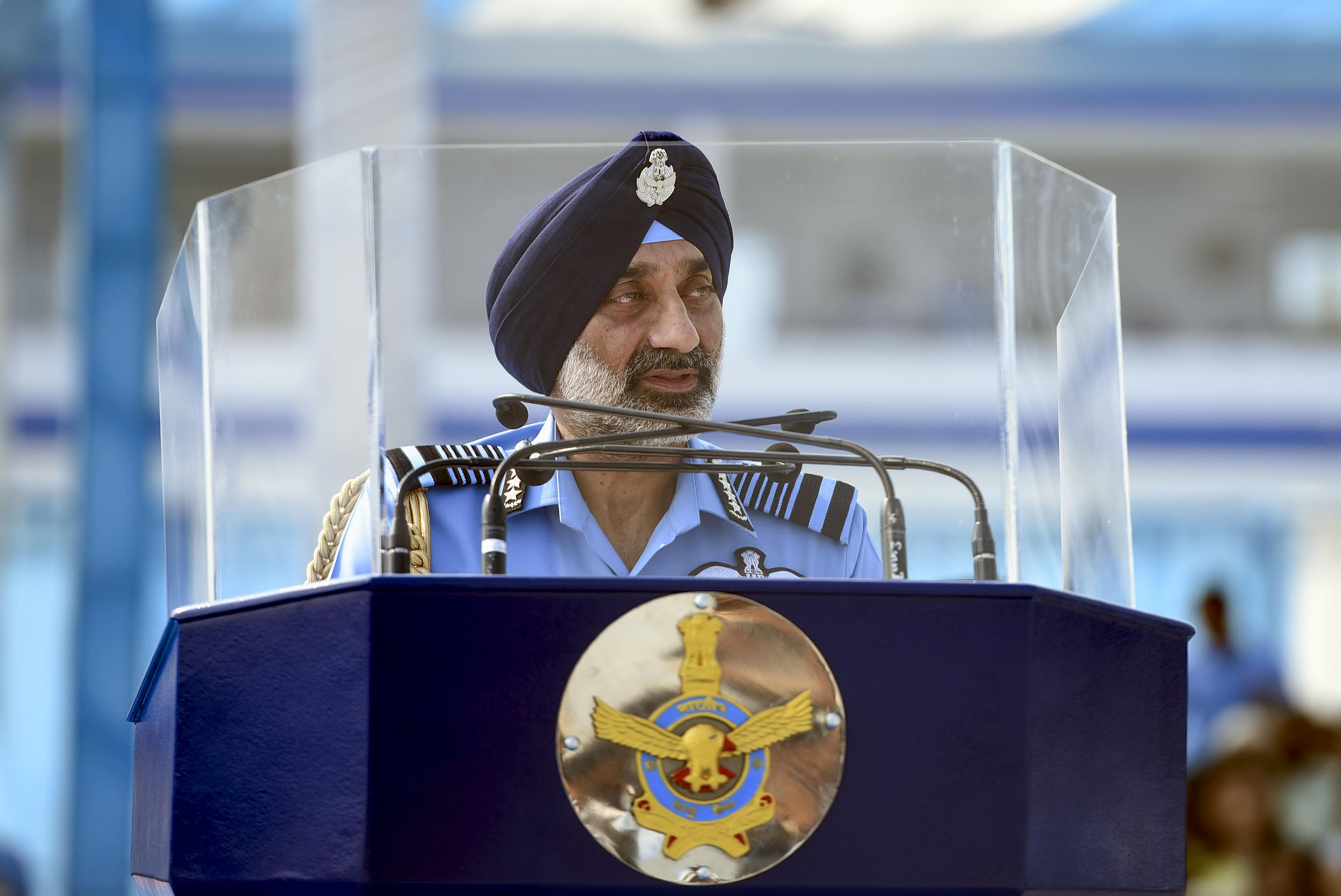
Air Chief Marshal AP Singh has articulated the Indian Air Force's vision for theatreisation, emphasising the need for a carefully calibrated, domestically-tailored restructuring model that diverges from wholesale adoption of international frameworks.
The Air Chief cautioned against fragmenting fighter aircraft assets across multiple theatre commands, arguing that such dispersion would compromise the IAF's ability to concentrate air power where most needed. Singh stressed that maintaining centralised command authority while allowing tactical decentralisation in execution would preserve the inherent flexibility that defines air operations.
The theatreisation initiative represents a broader restructuring of India's defence architecture aimed at improving inter-service coordination and operational efficiency. However, Singh's position indicates the IAF intends to preserve institutional prerogatives over air assets, particularly combat aircraft which require coordinated deployment across geographical boundaries.
The Air Chief's remarks underscore ongoing deliberations within India's defence establishment regarding the optimal balance between theatre-based integration and force specialisation. The phased approach Singh advocated suggests the IAF will resist immediate, comprehensive theatreisation that could dilute air power projection capabilities or subordinate air operations to theatre commanders with limited aviation expertise.
These strategic considerations come as India's defence ministry continues evaluating structural reforms to enhance joint operations among the Army, Navy, and Air Force while respecting each service's operational requirements and institutional mandates.