World · India Bureau
IAF chief warns of fighter squadron shortage without annual acquisitions
India's air force leadership has flagged the need to induct 36-40 new fighter jets annually to reverse a declining squadron strength. The statement underscores persistent capacity gaps in the military's aerial defence infrastructure.
LSN India ·
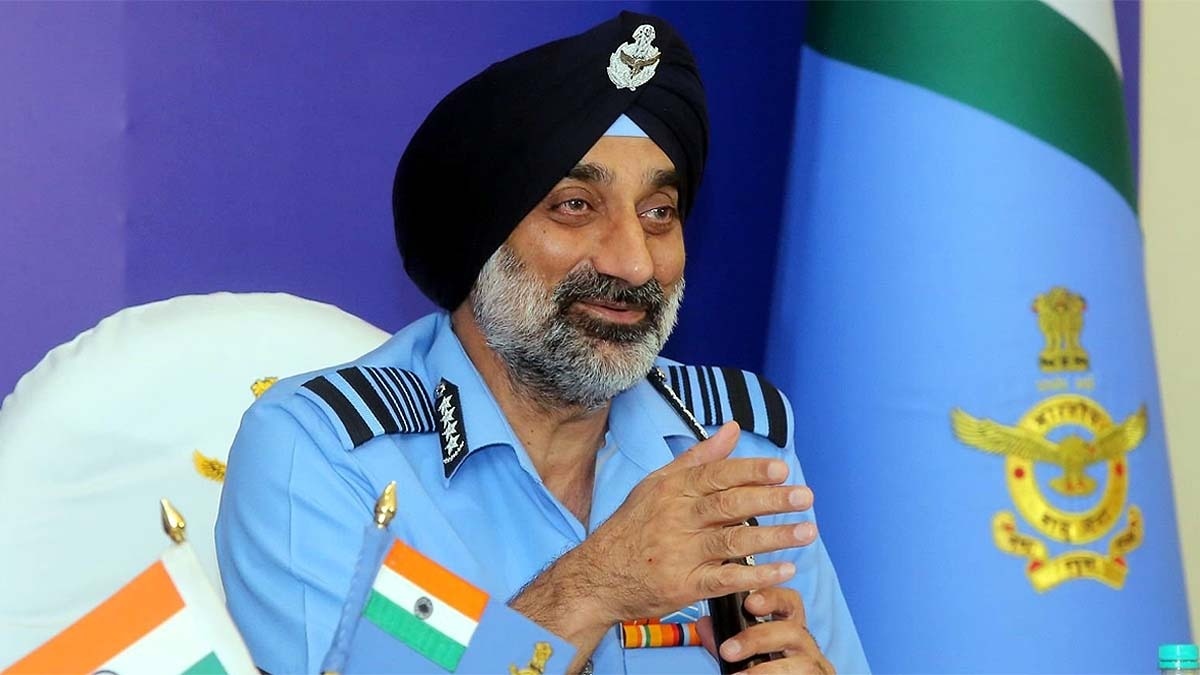
The Indian Air Force requires between 36 and 40 new fighter aircraft each year to halt the progressive erosion of its operational squadron strength, according to senior air force leadership. The requirement reflects the accelerating retirement of older aircraft and the pace at which modern combat jets can be manufactured and integrated into service.
India's fighter fleet has long been a subject of strategic concern, with multiple squadrons operating beyond their intended service lives. The IAF's existing inventory includes aging platforms such as the MiG-21 and MiG-27, many of which have been retired or are scheduled for decommissioning in the coming years. Meanwhile, the induction of newer aircraft including the Tejas light combat aircraft and imported Rafale jets has proceeded at a measured pace.
Meeting the stated annual acquisition target would require a sustained commitment to both indigenous manufacturing capacity and foreign procurement agreements. India's domestic Tejas programme, alongside planned imports and co-development projects, forms the cornerstone of efforts to modernise the air force's combat capabilities. However, balancing budgetary constraints with security imperatives remains a central challenge for defence planners.
The air chief's assessment carries significant implications for India's defence spending priorities and defence industry roadmaps. Closing the squadron gap is viewed as critical to maintaining operational readiness against regional air force capabilities and ensuring India's capacity to respond to multi-front threats. Defence procurement decisions will likely hinge on securing adequate funding allocations and accelerating manufacturing timelines across both public and private defence sector players.