Business · India Bureau
IBBI tightens rules to accelerate stalled real estate project resolutions
India's insolvency regulator has unveiled regulatory amendments aimed at expediting the resolution of troubled real estate projects while strengthening protections for homebuyers. The changes introduce project-wise treatment frameworks, enhanced disclosure requirements, and improved cost assessments to attract competitive bidding.
LSN India ·
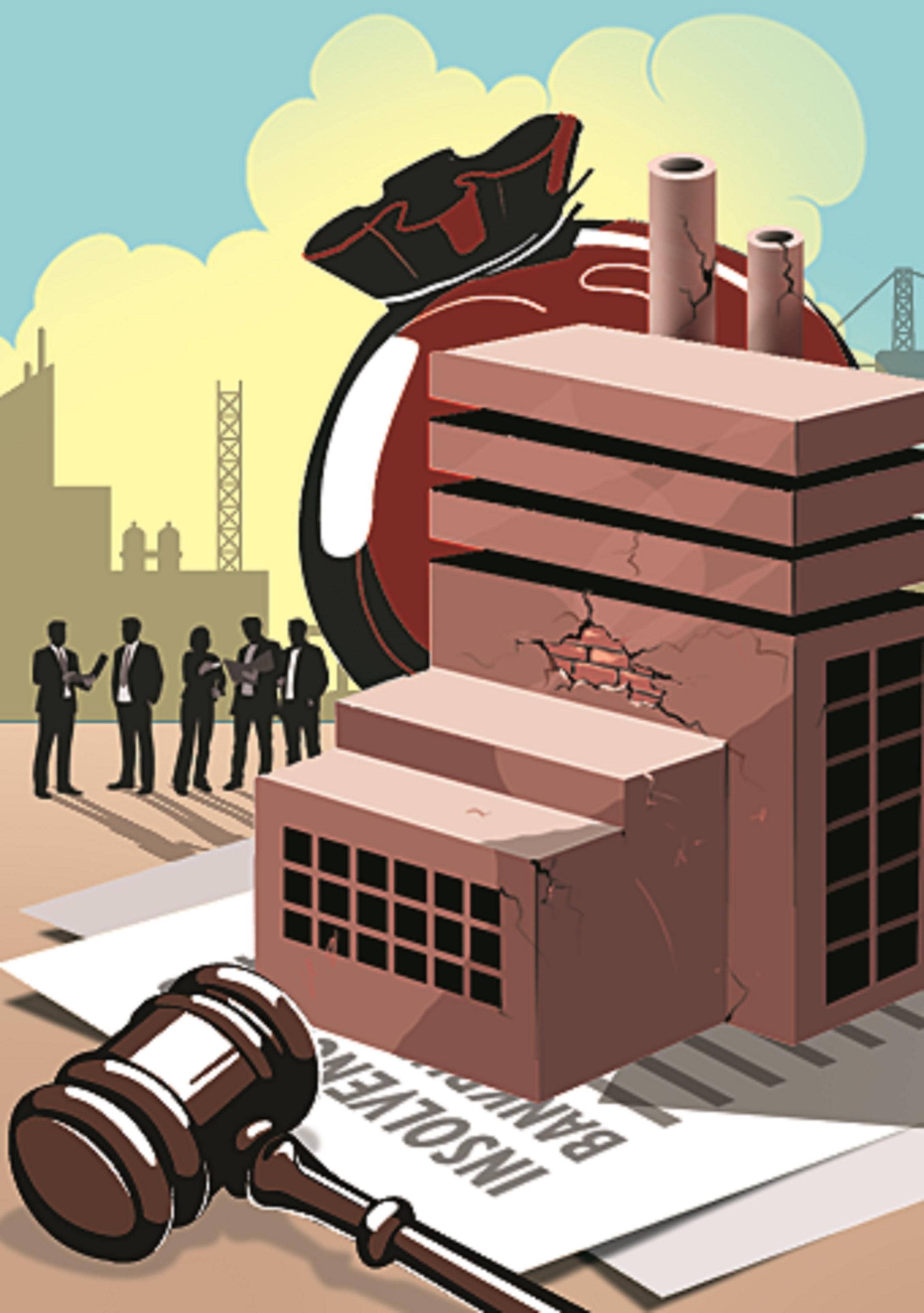
The Insolvency and Bankruptcy Board of India (IBBI) has notified amendments to its regulations governing the insolvency resolution process for corporate entities, with a specific focus on accelerating the resolution of stressed real estate projects that have left homebuyers in financial limbo.
The regulatory overhaul introduces several key mechanisms designed to improve project outcomes. These include project-wise treatment provisions, which allow for tailored resolution strategies for individual real estate developments, alongside strengthened disclosure requirements that enhance transparency throughout the process. The amendments also establish detailed cost-assessment frameworks intended to generate more realistic and competitive bidding.
The IBBI, which implements India's Insolvency and Bankruptcy Code, cited widespread delays and challenges in resolving stressed real estate projects as the primary driver for the regulatory changes. "The amendments aim to facilitate more informed and viable resolution of real estate projects, enhance transparency and accountability, and strengthen the interests of homebuyers and other stakeholders in the insolvency resolution process," the regulator said in a statement issued Saturday.
The regulatory framework, which operates on market-linked and time-bound principles, has faced criticism for struggling to effectively resolve troubled housing projects. The latest amendments represent an attempt to address systemic inefficiencies while elevating the participation of homebuyers—typically among the most affected stakeholders in such insolvencies.