World · World News Bureau
ICC Convicts Central African Republic Militia Leader of Torture
The International Criminal Court has found Mahamat Said Abdel Kani guilty of overseeing a systematic torture regime at a detention facility in Bangui. The conviction marks a significant accountability measure for alleged human rights abuses during the Central African Republic's period of instability.
LSN World News ·
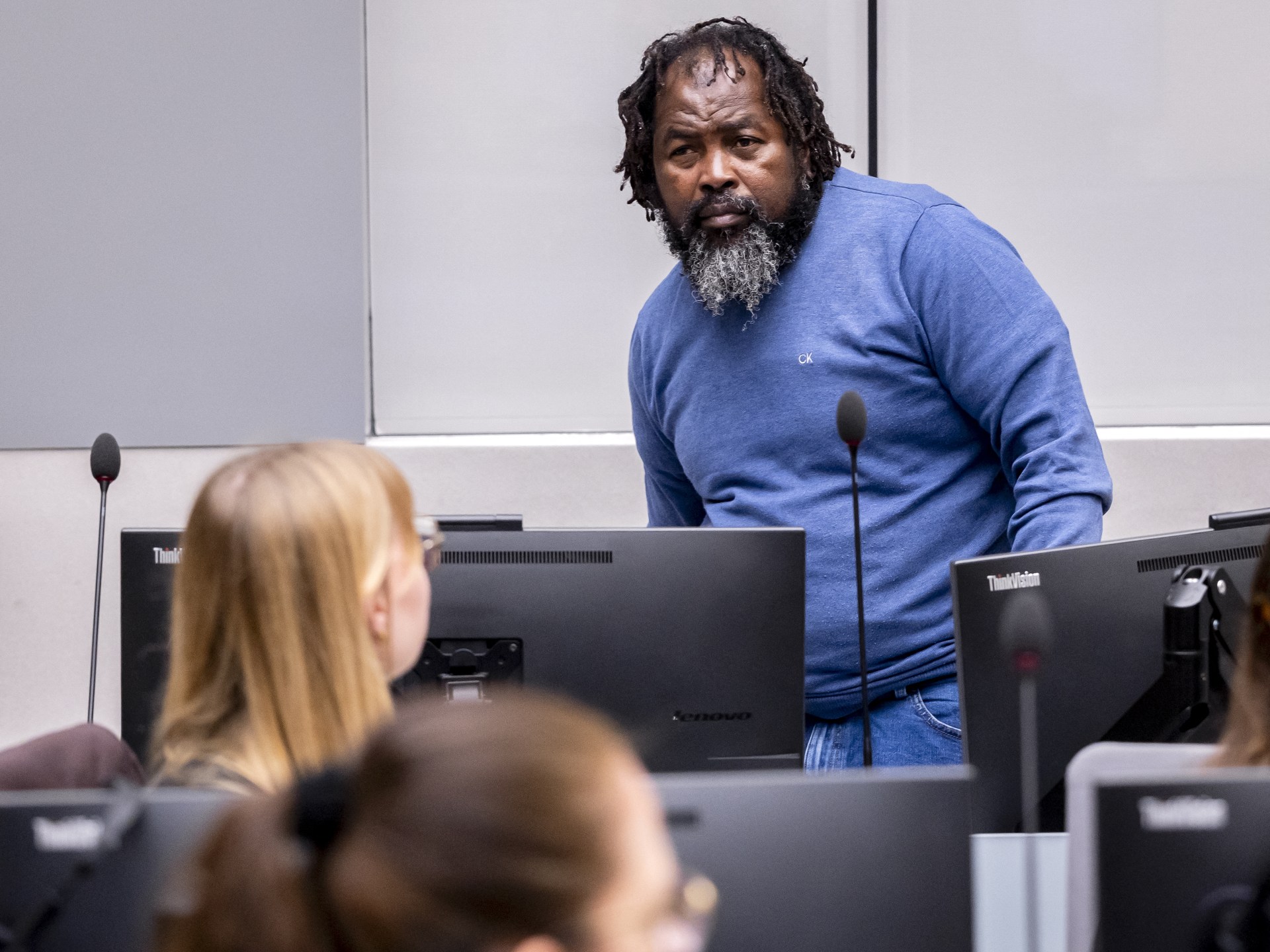
The International Criminal Court's judges determined that Mahamat Said Abdel Kani, a former militia commander, bore responsibility for brutal detention practices at a facility in the Central African Republic's capital. The tribunal found that detainees held at the Bangui location endured torture and inhumane treatment under conditions of Kani's command.
The conviction centers on Kani's authority over the detention site during a period when the Central African Republic experienced significant security challenges. Evidence presented to the court demonstrated systematic mistreatment of individuals held in custody, with judges concluding that Kani exercised effective control over operations at the facility.
This judgment represents one of the ICC's ongoing efforts to address alleged atrocities committed during conflicts in Central Africa. The court has pursued multiple cases related to violence and human rights violations in the region, where armed groups have been implicated in widespread abuses affecting civilian populations.
The conviction carries potential implications for accountability standards regarding command responsibility in conflict zones. Legal experts note that establishing individual liability for detention abuses requires demonstrating both knowledge of mistreatment and failure to prevent or punish such conduct.
The case underscores persistent challenges faced by transitional justice mechanisms in addressing complex conflict situations. As the Central African Republic continues efforts toward stability and reconciliation, international prosecutions remain a contested element of broader accountability efforts.