Politics · World News Bureau
ICC faces existential crisis as US pressure mounts; experts call for decisive action
The International Criminal Court confronts unprecedented challenges as major powers impose sanctions and restrict its operations. Legal experts warn that passive diplomacy alone cannot preserve the institution's viability and independence.
LSN World News ·
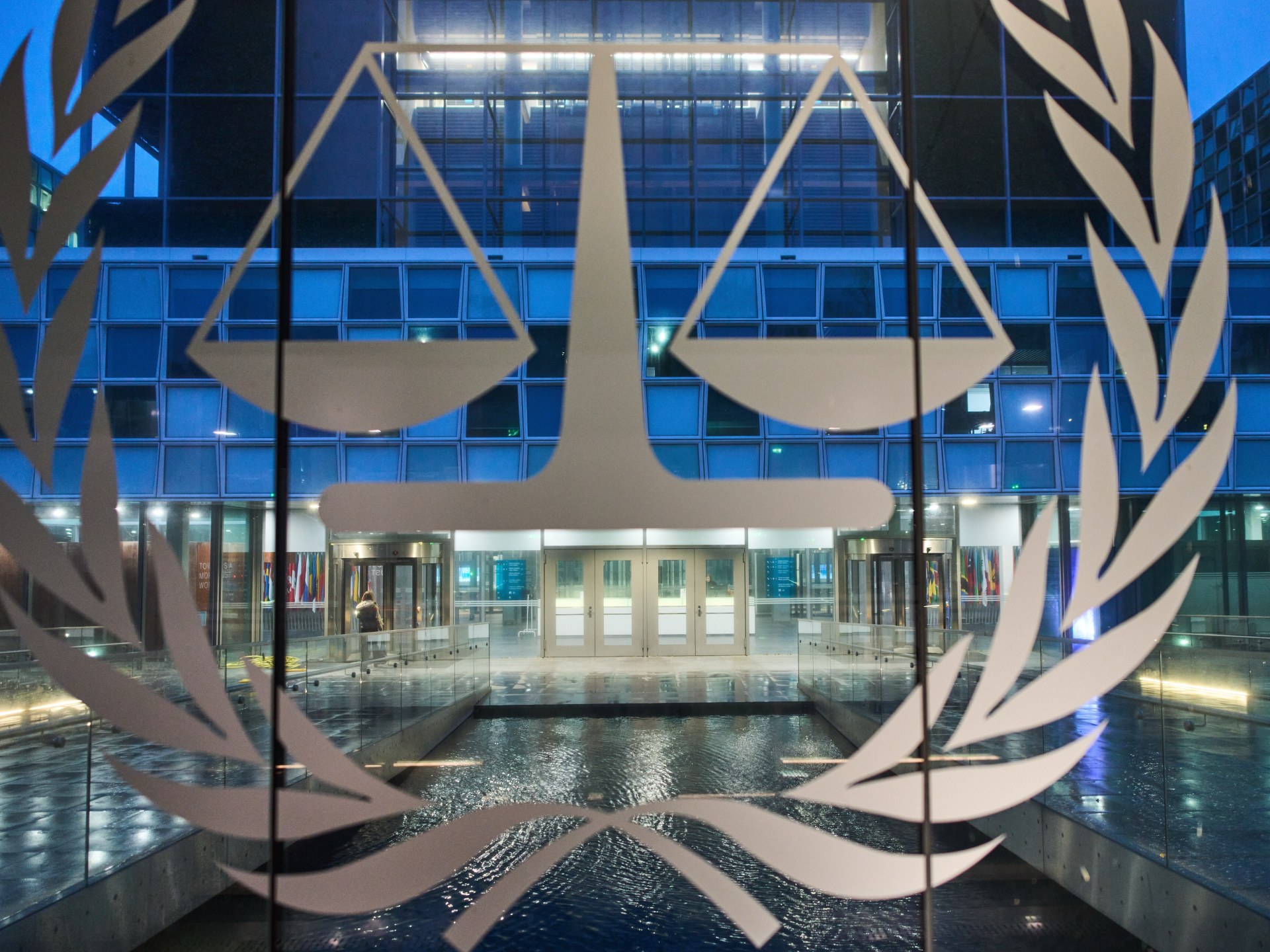
The International Criminal Court finds itself at a crossroads as geopolitical pressures threaten its fundamental mandate. Rather than relying on dialogue with sanctioning nations, advocates argue the court must take proactive measures to strengthen its institutional resilience and assert its autonomy from external political interference.
The court's current predicament reflects broader tensions between international justice mechanisms and powerful states reluctant to submit to international accountability. When diplomatic channels prove ineffective or appear one-sided, strategic institutional reforms become essential to safeguard the court's credibility and operational capacity.
Experts have outlined several protective measures, including enhanced financial independence, strengthened member-state solidarity, and clarified protocols that limit external pressure on investigations and prosecutions. These structural reinforcements would insulate the court from political coercion while demonstrating commitment to its founding principles of impartiality and rule of law.
The ICC's survival depends not on passive hope for future negotiations, but on decisive action from its stakeholder nations and internal leadership. Building coalitions among committed member states, diversifying funding sources, and asserting institutional boundaries represent concrete steps toward ensuring the court can fulfill its role in global justice without political compromise.