World · World News Bureau
Iceland EU membership referendum hangs in balance as votes tallied
Icelanders are deciding whether their nation should pursue renewed negotiations with the European Union, with the outcome uncertain as counting continues. The closely contested referendum reflects deep divisions within the Nordic island nation over its future relationship with the bloc.
LSN World News ·
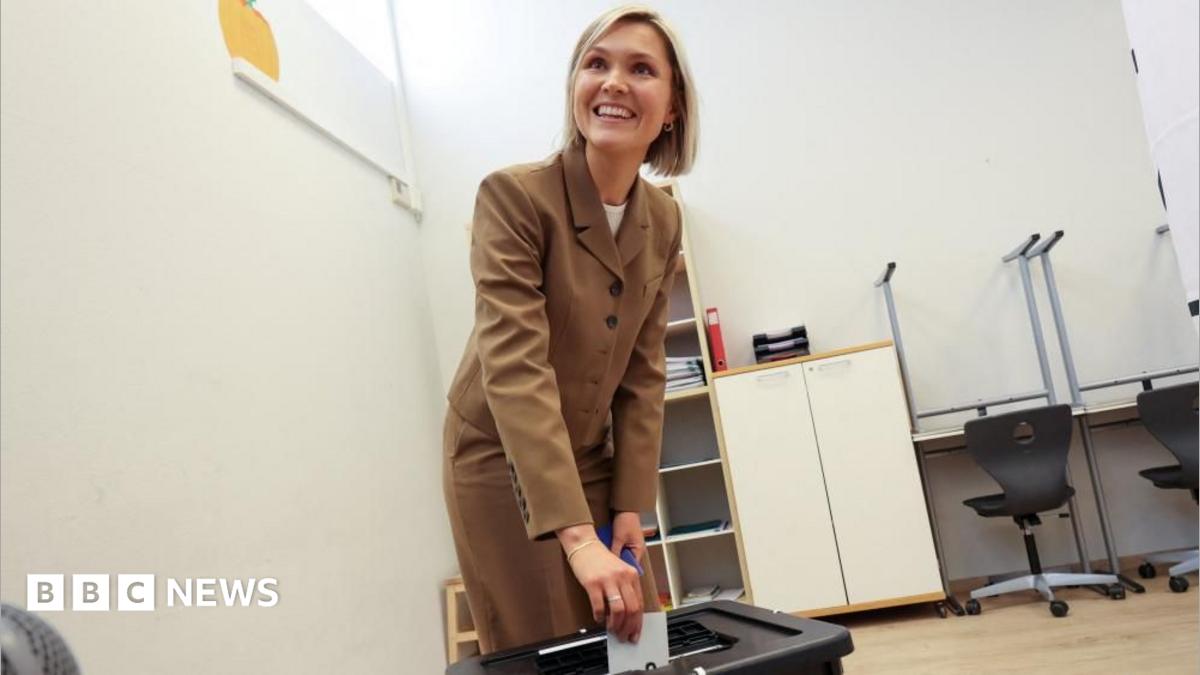
Iceland's EU referendum has produced a razor-thin result that could reshape the country's diplomatic trajectory for years to come. Voting concluded across the island nation as officials began the painstaking process of tallying ballots on the question of whether to resume formal membership negotiations with the European Union. Early indications suggest the electorate remains sharply divided on the matter, with neither side commanding a decisive advantage.
The referendum represents a pivotal moment for Iceland, which has maintained a complex relationship with the EU despite its geographic proximity to Europe. The Nordic country, a member of the European Economic Area and the Schengen zone, has repeatedly debated the merits of full EU membership. Proponents argue membership would enhance economic integration and political influence, while opponents contend it would compromise Icelandic sovereignty and impose unwanted regulations on the nation's vital fishing industry.
Official results are expected to emerge as counting progresses through the evening. The outcome will likely depend on turnout patterns and voting in key demographic groups, with agriculture and fishing-dependent communities potentially holding outsized influence over the final tally. Regardless of the result, the narrow margin appears certain to generate continued debate about Iceland's place within the European framework.
The question of EU membership has periodically resurged in Icelandic politics, reflecting shifting economic conditions and generational attitudes toward European integration. Political leaders from across the spectrum have campaigned vigorously on both sides of the referendum, indicating the profound importance placed on the decision by Reykjavik's establishment and civil society.