World · Myanmar Bureau
ICJ Ruling on Rohingya Case Expected; Enforcement Remains Uncertain
The International Court of Justice is anticipated to issue its final judgment in The Gambia's genocide case against Myanmar this week. However, observers caution that a favorable ruling alone may not translate into concrete justice for Rohingya victims without effective implementation and enforcement mechanisms.
LSN Myanmar ·
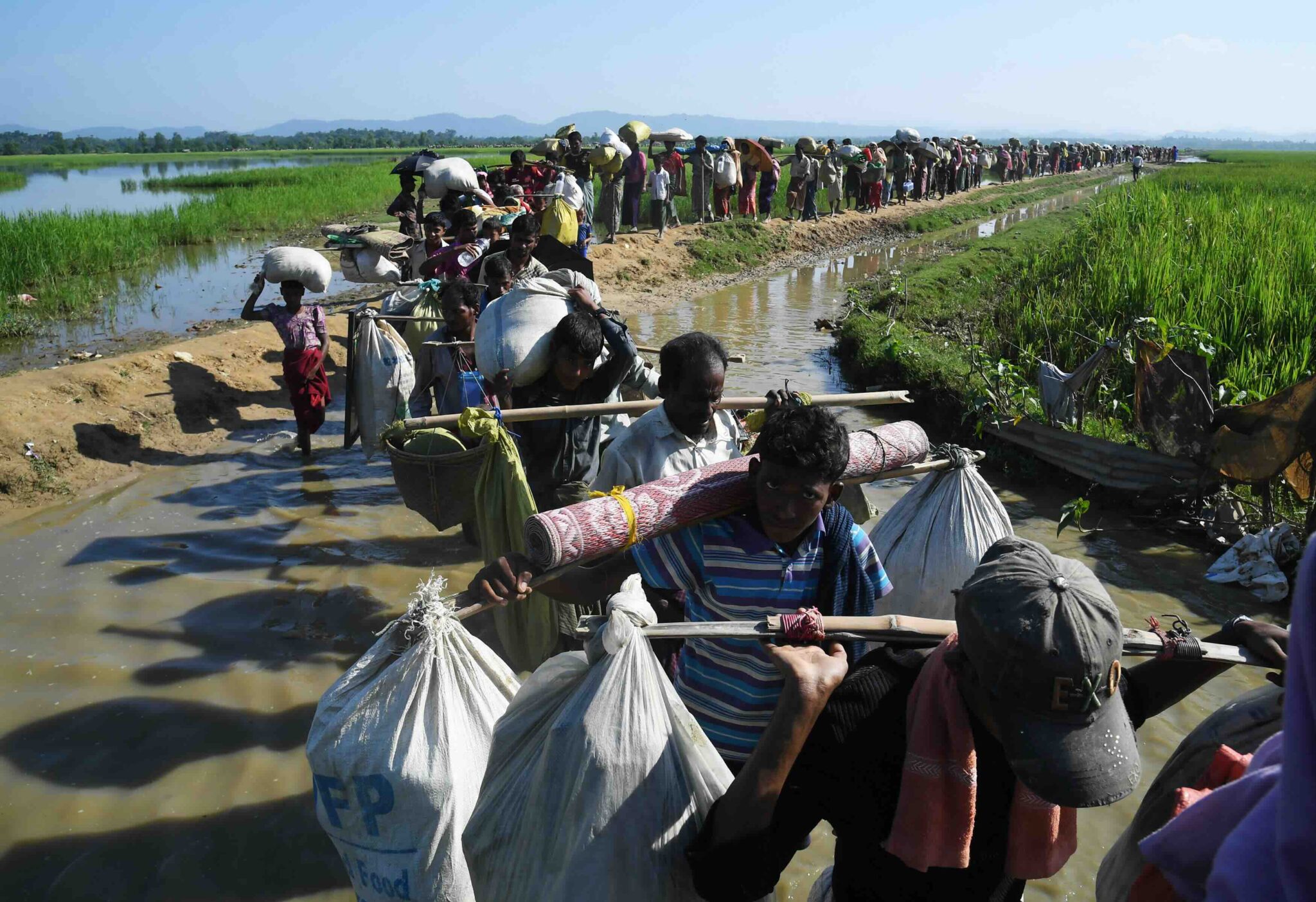
The long-awaited verdict in The Gambia's case at the International Court of Justice addresses allegations that Myanmar committed genocide against the Rohingya population. The ruling is expected to provide legal findings on whether systematic atrocities amounted to genocide under international law, potentially marking a significant moment in efforts to hold Myanmar accountable for actions in Rakhine State.
While a judgment in favor of The Gambia would represent a legal victory on the international stage, legal experts emphasize that the true measure of justice extends beyond the courtroom. The ICJ ruling would establish legal liability but would not automatically result in compensation, criminal prosecutions, or remedies for affected communities without subsequent action from Myanmar, the United Nations Security Council, and international authorities.
Implementation of any ICJ judgment depends on Myanmar's compliance and broader international mechanisms. The court's decisions are binding under international law, but enforcement mechanisms remain limited, particularly when powerful states are involved. Observers note that meaningful justice for Rohingya victims would require complementary efforts through national courts, international criminal tribunals, and humanitarian assistance programs.
Rohingya organizations and human rights groups have outlined priorities for post-verdict action, including accountability for military commanders, support for displaced communities, and investigation of alleged mass atrocities. The coming weeks and months will reveal whether the ICJ judgment catalyzes concrete steps toward these objectives or remains largely symbolic without coordinated international follow-through.