World · India Bureau
IISc scientists harness AI to decode CO2-to-fuel conversion pathways
Researchers at the Indian Institute of Science have employed machine learning algorithms to map the chemical mechanisms behind converting carbon dioxide into usable fuels, potentially accelerating development of sustainable energy solutions.
LSN India ·
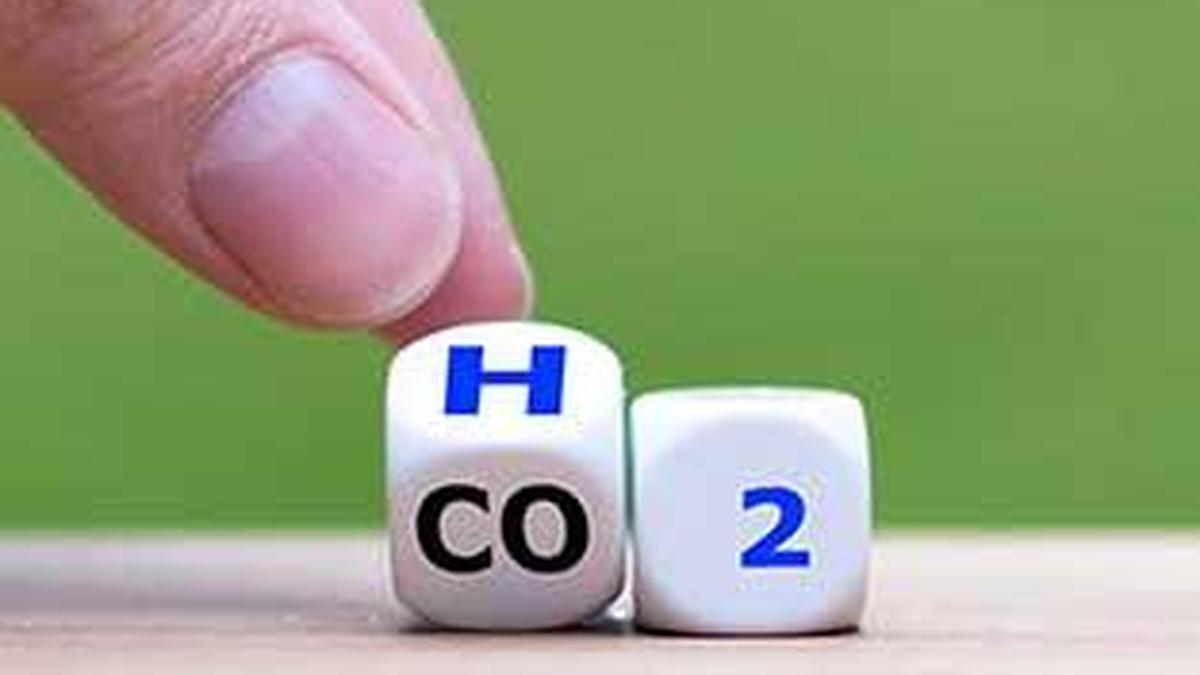
Scientists at Bangalore's Indian Institute of Science (IISc) have leveraged machine learning and computational methods to illuminate the complex pathways involved in transforming carbon dioxide into chemical fuels, a breakthrough that could reshape approaches to carbon utilisation and clean energy production.
The research team deployed advanced algorithms to analyse and predict the intricate molecular interactions occurring during CO2 conversion processes. By mapping these mechanisms computationally, the researchers have identified previously unclear transformation routes that could be optimised for practical applications, addressing both energy security concerns and climate change mitigation.
The computational approach enables scientists to model multiple conversion scenarios rapidly, reducing the time and resources traditionally required for laboratory experimentation. This methodology could accelerate the identification of more efficient catalysts and reaction conditions for converting atmospheric carbon into valuable chemical products including synthetic fuels and industrial feedstocks.
The findings represent a significant stride in utilising artificial intelligence to tackle sustainability challenges. As India pursues ambitious clean energy targets and carbon reduction goals, such computational innovations at premier research institutions could prove instrumental in developing scalable technologies for carbon capture and conversion at commercial scales.
The research underscores growing momentum in India's scientific community to deploy emerging technologies in solving environmental challenges while potentially creating new economic opportunities in the green energy sector.