Technology · India Bureau
IIT Bombay students demand welfare reforms following student death
Students at IIT Bombay have called for systemic changes to the institute's welfare mechanisms and enhanced mental health support following the death of a second-year student. The incident has reignited debate over institutional practices and student support systems at the premier engineering college.
LSN India ·
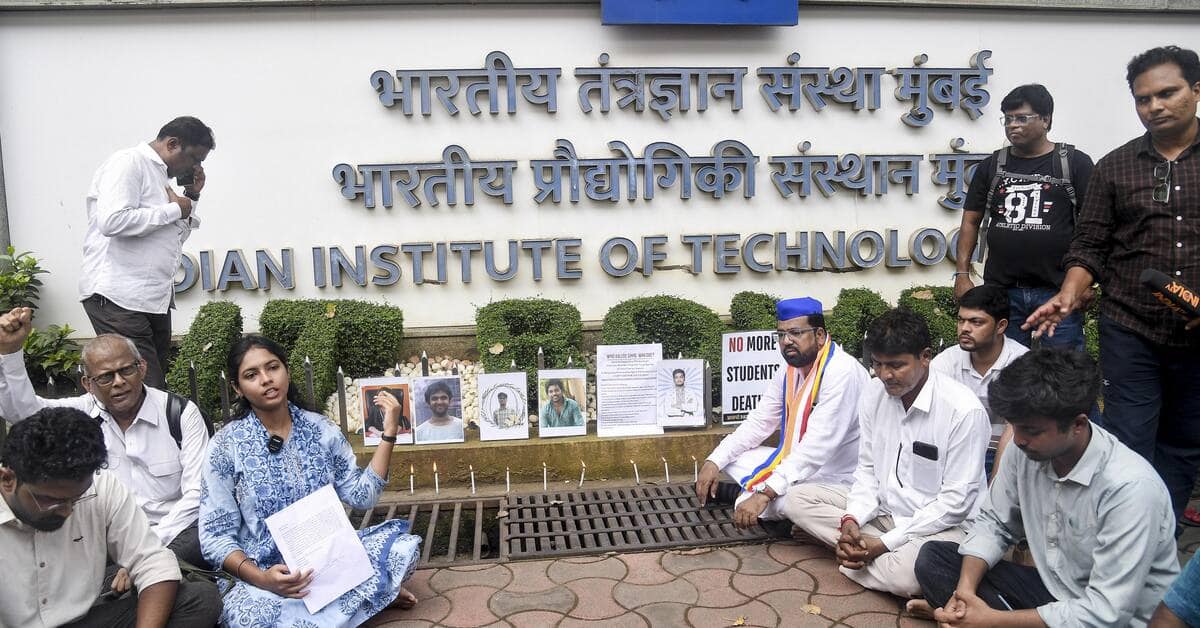
The student community at the Indian Institute of Technology (IIT) Bombay has intensified calls for comprehensive reforms to the institute's student welfare framework in response to the September 18 death of Sahil Wakode, a 22-year-old BTech student in the Department of Energy Science and Engineering. Wakode was found in his hostel room on the Powai campus hours after an incident during a mid-semester examination involving alleged use of a mobile phone to access ChatGPT.
Students have emphasised the need for greater institutional focus on mental health support and overall student wellbeing. While acknowledging the gravity of the circumstances surrounding Wakode's death, the student body has cautioned against targeting individual faculty members, describing such an approach as counterproductive to the broader institutional changes required.
The incident has prompted official action, with Mumbai Police registering charges against Prof Suryanarayana Doolla, who served as dean of Administrative Affairs, under provisions of the Scheduled Castes and Scheduled Tribes (Prevention of Atrocities) Act and Section 108 (abetment of suicide) of the Bharatiya Nyaya Sanhita following a complaint. Prof Doolla has been removed from his administrative position.
The case has sparked sustained protests on campus, with students advocating for systemic examination of institutional policies and their impact on student mental health and wellbeing. The demands reflect broader concerns about the pressures faced by students at India's premier technical institutions and the adequacy of support mechanisms available to address psychological distress.