World · India Bureau
IIT graduates face employment crisis despite steep education costs
With education expenses reaching Rs 30 lakh for an IIT degree, graduates are confronting a harsh reality: there is no guarantee of employment upon completion. The disconnect between investment and outcomes has sparked concerns about the true value proposition of India's premier engineering institutions.
LSN India ·
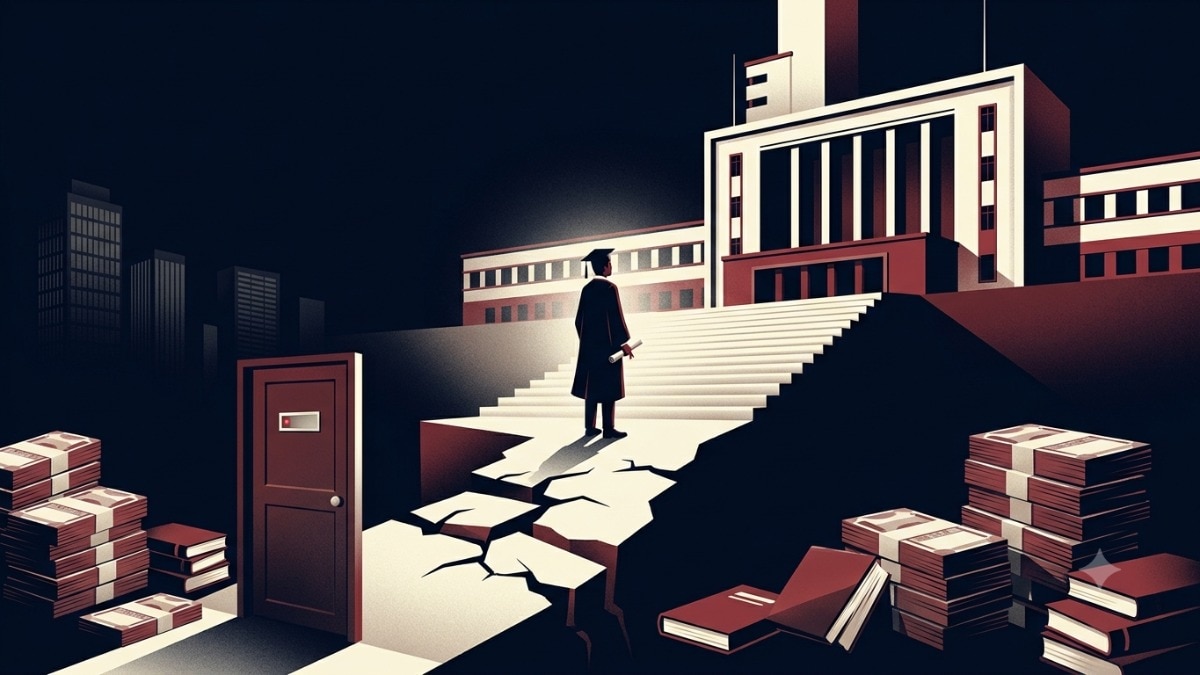
India's top-tier engineering colleges have long been viewed as pathways to secure employment and financial success. However, a growing number of IIT graduates are discovering that substantial financial investment in their education does not automatically translate into job placement, challenging long-held assumptions about the returns on such educational outlays.
The cost of obtaining an IIT degree has escalated significantly, with comprehensive expenses including tuition, accommodation, and other fees reaching approximately Rs 30 lakh over the course of a four-year programme. For many families, this represents a substantial financial commitment, often financed through education loans or personal savings.
Despite the premium pricing and the prestige associated with an IIT qualification, placement outcomes have become increasingly unpredictable. Some graduates face extended periods without employment offers, while others secure positions that do not commensurate with the investment made or their academic credentials. This divergence has raised critical questions about accountability and the sustainability of current educational models.
Educational experts and industry observers are calling for greater transparency regarding placement statistics and employment prospects. Stakeholders argue that institutions should provide prospective students with realistic data on job outcomes to enable informed decision-making about such significant financial commitments.
The situation reflects broader challenges within India's higher education sector, where rising costs, evolving job market dynamics, and skill gaps between academic curricula and industry requirements continue to create friction between educational institutions and student expectations.