Business · India Bureau
IIT Madras ePlane incorporates seven safety layers for urban air mobility
Researchers at IIT Madras have engineered multiple redundancy systems into their ePlane electric aircraft design, addressing safety concerns as India moves toward commercializing flying taxi services.
LSN India ·
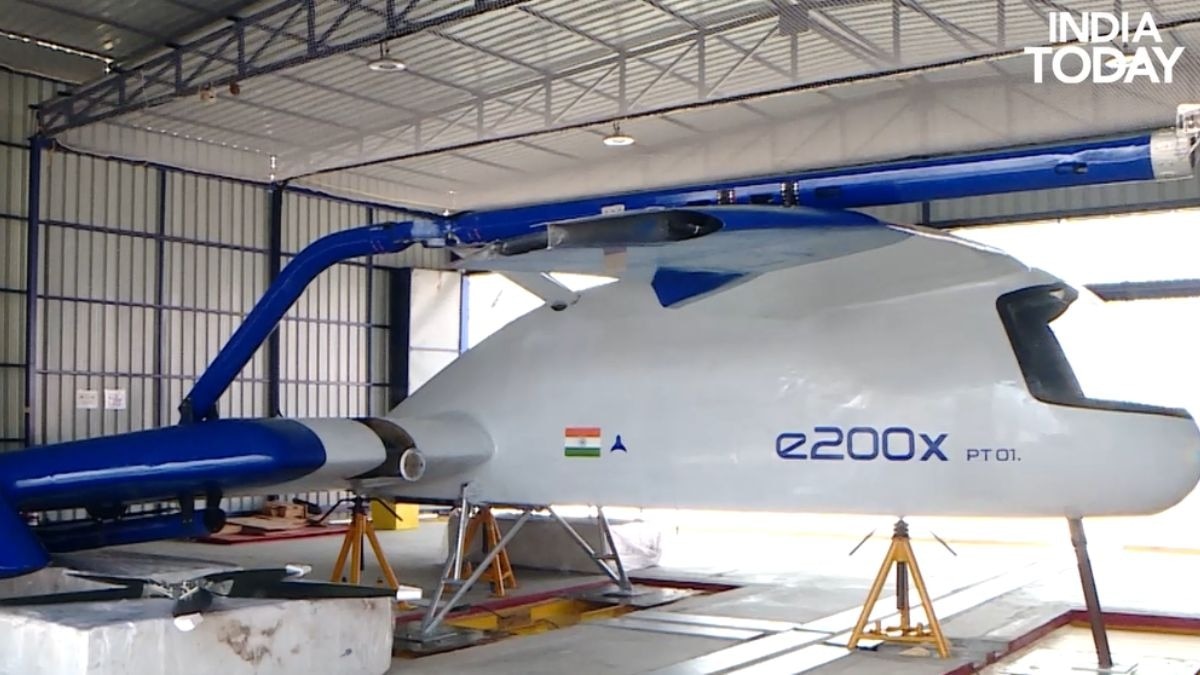
As India pursues ambitious plans to introduce electric vertical takeoff and landing (eVTOL) aircraft for urban transportation, safety remains paramount. IIT Madras has designed its ePlane concept with seven distinct safety layers, each functioning independently to mitigate risks during flight operations.
The multi-layered safety architecture reflects global aviation standards adapted for India's urban environment. Engineers have integrated redundant systems across critical flight functions, ensuring that single-point failures do not compromise aircraft integrity. These safety measures address concerns around battery systems, propulsion, navigation, and structural integrity—key considerations for passenger confidence in emerging air mobility platforms.
India's civil aviation authorities are examining eVTOL technology as part of broader urban air mobility frameworks. The ePlane initiative demonstrates how domestic aerospace innovation can meet international safety benchmarks while contributing to India's sustainable transportation goals. As regulatory frameworks develop, designs incorporating comprehensive safety provisions like those in the ePlane model are expected to facilitate faster certification pathways.
The project underscores India's capacity for advanced aerospace research, positioning the nation alongside global leaders in urban air mobility development. With manufacturing potential and a large addressable market, flying taxi services could reshape transportation in India's congested metropolitan areas if safety and regulatory hurdles are successfully navigated.