World · India Bureau
IIT Supernumerary Seats Scheme Opens Doors for Women Engineers
A dedicated quota system has significantly improved female representation in India's premier engineering institutes, addressing long-standing gender imbalances in undergraduate programmes. The scheme marks a pivotal shift in efforts to diversify India's technical education landscape.
LSN India ·
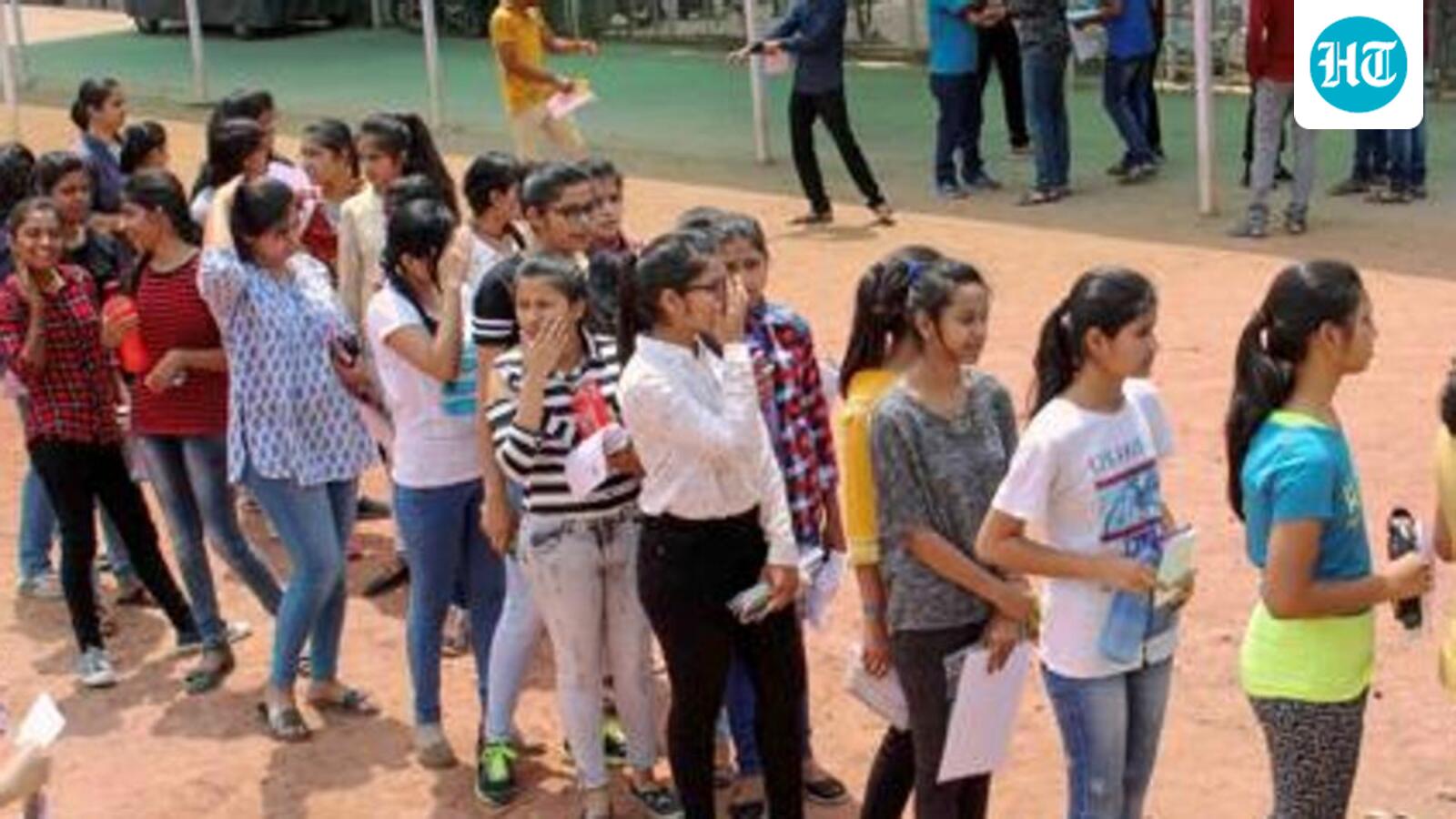
India's Indian Institutes of Technology have long been bastions of engineering excellence, yet have historically struggled with pronounced gender disparities among undergraduates. The introduction of supernumerary seats—additional positions created specifically for women candidates—represents a deliberate policy intervention designed to reshape the demographic composition of these elite institutions.
The scheme operates by creating extra admission slots beyond the regular intake capacity, reserved exclusively for female applicants who meet the entrance examination standards. This approach circumvents the need to reduce seats for male candidates, thereby addressing concerns about merit-based selection while simultaneously creating pathways for qualified women to access world-class technical education.
By establishing dedicated positions for women students, the initiative acknowledges that traditional admissions mechanisms alone have been insufficient to attract and retain female engineering talent at India's top-tier technical colleges. The supernumerary seats effectively increase the overall institute capacity while guaranteeing that women candidates have dedicated opportunities to pursue degrees at these highly competitive institutions.
The scheme's implementation reflects growing recognition among policymakers and educators that gender diversity strengthens academic and professional outcomes across engineering disciplines. As India seeks to expand its technical workforce and compete globally in innovation sectors, broadening participation among women in flagship engineering programmes has become integral to institutional and national priorities.