Business · Malaysia Bureau
Illicit drug trade thrives on fake cargo claims, AI medical consultants
The Malaysian Pharmaceutical Society has warned that smugglers and online vendors are exploiting regulatory weaknesses in border controls and e-commerce platforms to distribute unregistered pharmaceuticals. The practice poses significant risks to public health across the region.
LSN Malaysia ·
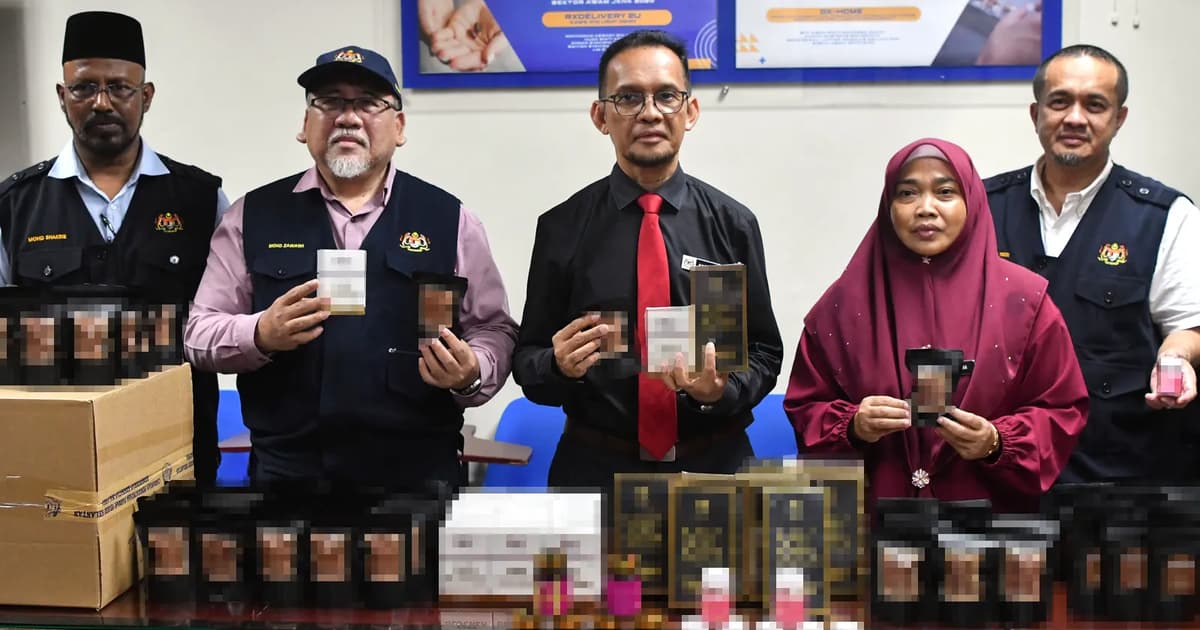
Regulatory authorities face mounting challenges as criminal networks increasingly resort to false cargo declarations and artificial intelligence-powered consultants to circumvent pharmaceutical oversight mechanisms. The Malaysian Pharmaceutical Society has identified these tactics as primary vectors enabling the proliferation of unlicensed medications through both conventional smuggling routes and digital marketplaces.
Cross-border checkpoints remain vulnerable to misdeclared shipments, with contraband drugs frequently concealed within legitimate cargo manifests. Meanwhile, online platforms hosting unregistered medical practitioners—powered by AI technology—are facilitating direct-to-consumer sales of pharmaceuticals without proper licensing or quality assurance oversight.
The society's concerns underscore a critical gap between enforcement capacity and the evolving sophistication of illicit operations. E-commerce controls have struggled to keep pace with digital-age trafficking methods, allowing vendors to operate with minimal regulatory intervention.
These developments carry serious implications for Malaysian consumers, who face exposure to counterfeit, substandard, or contaminated medications lacking proper quality certification. Health authorities have been urged to strengthen coordination across border agencies and online platforms to disrupt supply chains and enhance medication authenticity verification systems.