World · India Bureau
Illinois farm restored to thriving prairie with 134 native plant species
A 15-year ecological restoration project in Illinois has successfully transformed a cornfield into a functioning prairie ecosystem, with 134 plant species now established across the landscape. The initiative demonstrates how systematic management and native species reintroduction can revitalize degraded agricultural lands.
LSN India ·
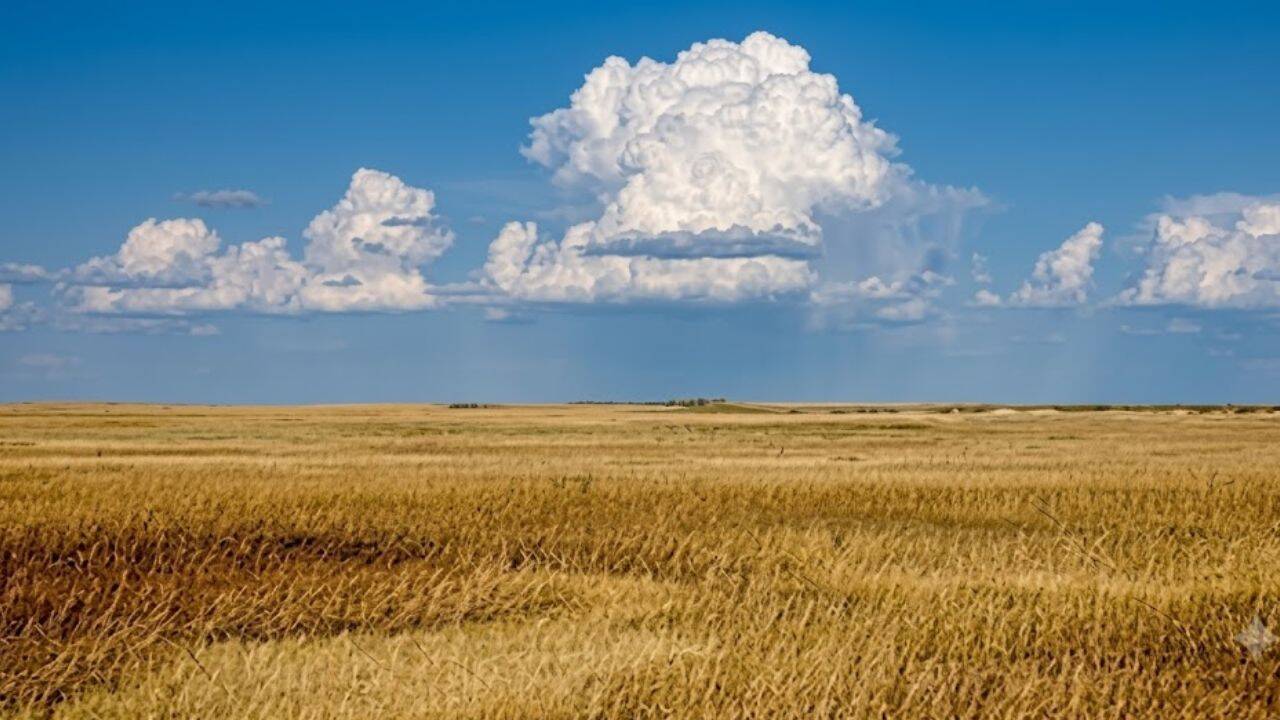
What was once productive cropland in Illinois has been painstakingly restored to native prairie, supporting a rich diversity of plant life through sustained conservation efforts. Researchers documented the establishment of 134 distinct plant species across the restored habitat, with approximately 70 percent of intentionally planted species taking root and thriving in their new environment.
The restoration success reflects the application of active management techniques tailored to prairie ecosystems. Prescribed burns—carefully controlled fires that mimic natural disturbance patterns—and strategic weed control measures were instrumental in shaping the landscape's development and preventing invasive species from dominating the regenerating ecosystem.
Beyond the cultivated species, the restored prairie attracted numerous native plants that arrived naturally through seed dispersal, demonstrating the inherent resilience of prairie vegetation. Different habitat zones within the restoration supported varying levels of species success, indicating that the prairie's complexity rivals that of undisturbed native prairies.
The project underscores the potential for ecological recovery in agricultural regions across North America. By returning former farmland to prairie, landowners and conservation agencies can restore critical wildlife habitat while supporting the natural processes that sustain these increasingly rare ecosystems. The 15-year timeline highlights both the commitment required for prairie restoration and the achievable outcomes when science-based management is sustained over the long term.