World · Thailand Bureau
IMF sees Strait of Hormuz reopening as relief, warns energy crisis persists
The International Monetary Fund acknowledged improved prospects following the reopening of the Strait of Hormuz but cautioned that global energy markets remain under significant strain. The warning highlights ongoing vulnerabilities in energy supply chains affecting economies across Asia and beyond.
LSN Thailand ·
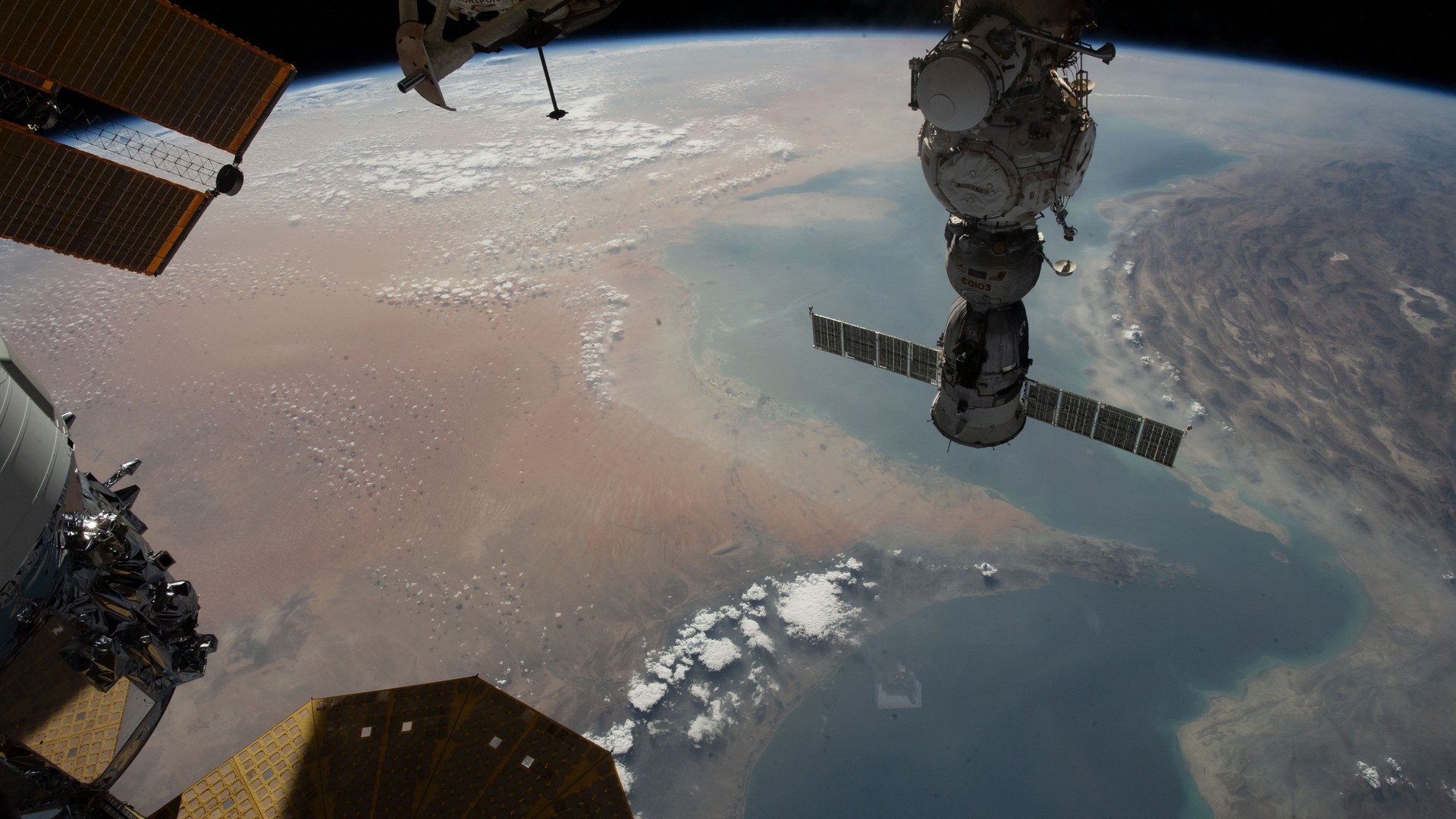
The International Monetary Fund has adopted a cautiously optimistic stance on recent developments in Middle Eastern energy corridors, recognizing that the reopening of the Strait of Hormuz offers some relief to global oil markets. However, the international financial institution stressed that the broader energy crisis gripping the world economy remains far from resolved.
The Strait of Hormuz, one of the world's most critical shipping lanes for crude oil and liquefied natural gas, handles a substantial portion of global energy trade. Disruptions to transit through this strategic waterway have historically triggered sharp price spikes and supply chain disruptions with ripple effects across Asia's energy-dependent economies.
While the restoration of passage through the strait addresses one source of immediate concern, the IMF pointed to multiple factors continuing to pressure global energy markets. These include production constraints, geopolitical tensions, and lingering uncertainty over supply reliability in key producing regions.
For Thailand and other Southeast Asian nations heavily reliant on energy imports, the situation remains precarious. The IMF's assessment suggests that while current conditions show modest improvement, policymakers should prepare for continued volatility in oil and gas prices over the medium term. Energy security remains a priority concern for regional economic planning and stability.
Photo: The Strait of Hormuz, linking the Persian Gulf and the Gulf of Oman, seen from the International Space Station, August 2023. NASA via Wikimedia Commons (public domain).