World · India Bureau
Improper consumption of ragi may harm health, nutritionists warn
While finger millet, commonly known as ragi, is recognized as a nutritious grain, health experts caution that incorrect dietary incorporation can hinder digestion and nutrient absorption.
LSN India ·
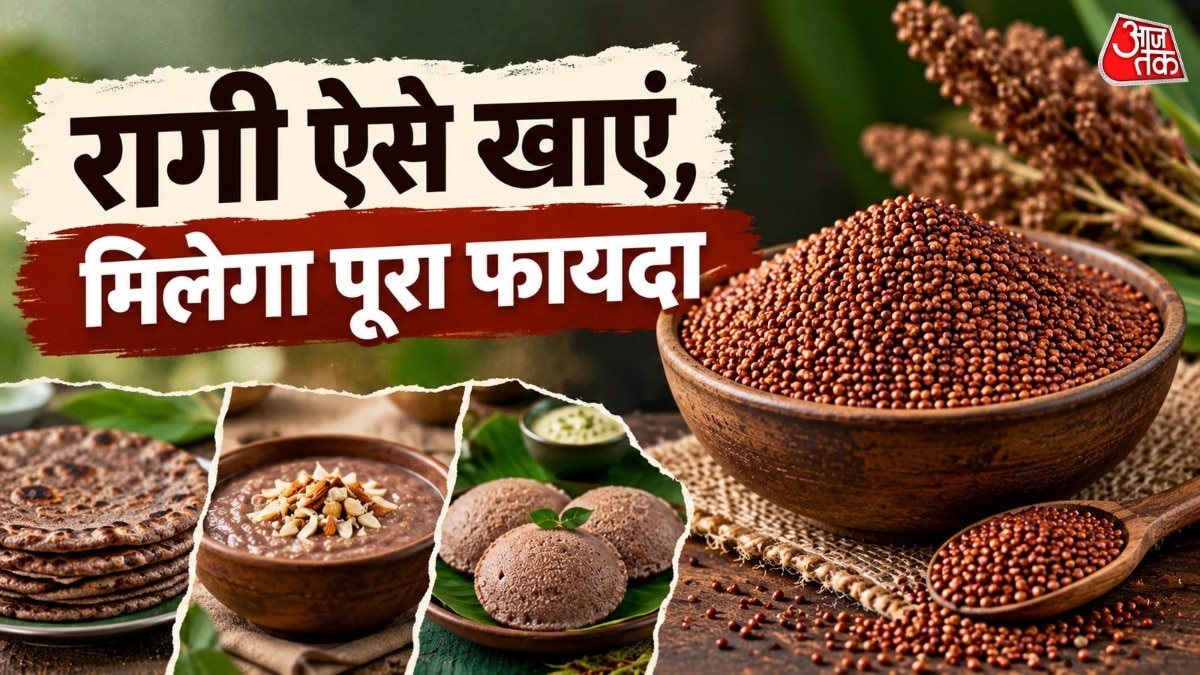
Ragi has long been valued in Indian cuisine for its nutritional profile and health benefits. However, nutrition specialists are drawing attention to the potential downsides of consuming the grain without following proper preparation and consumption methods.
When ragi is not integrated into the diet appropriately, it can produce adverse effects on digestive health rather than providing the intended nutritional advantages. Experts indicate that improper consumption patterns may compromise the body's ability to absorb essential nutrients effectively.
The primary concerns center on how ragi interacts with the digestive system. When consumed incorrectly, the grain can create obstacles in the digestion process, potentially leading to gastrointestinal discomfort and reduced nutrient bioavailability. This means that despite ragi's inherent nutritional content, the body may not be able to extract and utilize these beneficial components efficiently.
Health professionals recommend that individuals seeking to incorporate ragi into their regular diet should first understand the correct methods of preparation and consumption. Proper soaking, cooking techniques, and portion control play significant roles in ensuring that the grain delivers its intended health benefits without causing digestive complications.
Consumers are advised to consult with nutritionists or health practitioners to determine the most suitable way to include ragi in their dietary regimen, particularly for those with pre-existing digestive sensitivities.