World · India Bureau
In Bijnor, Key Players Shape Electoral Math and Political Balance
Bijnor's political landscape is determined by a complex interplay of regional power brokers and caste equations that influence voting patterns across the constituency. Local leaders and community groups wield significant influence over electoral outcomes in this competitive battleground.
LSN India ·
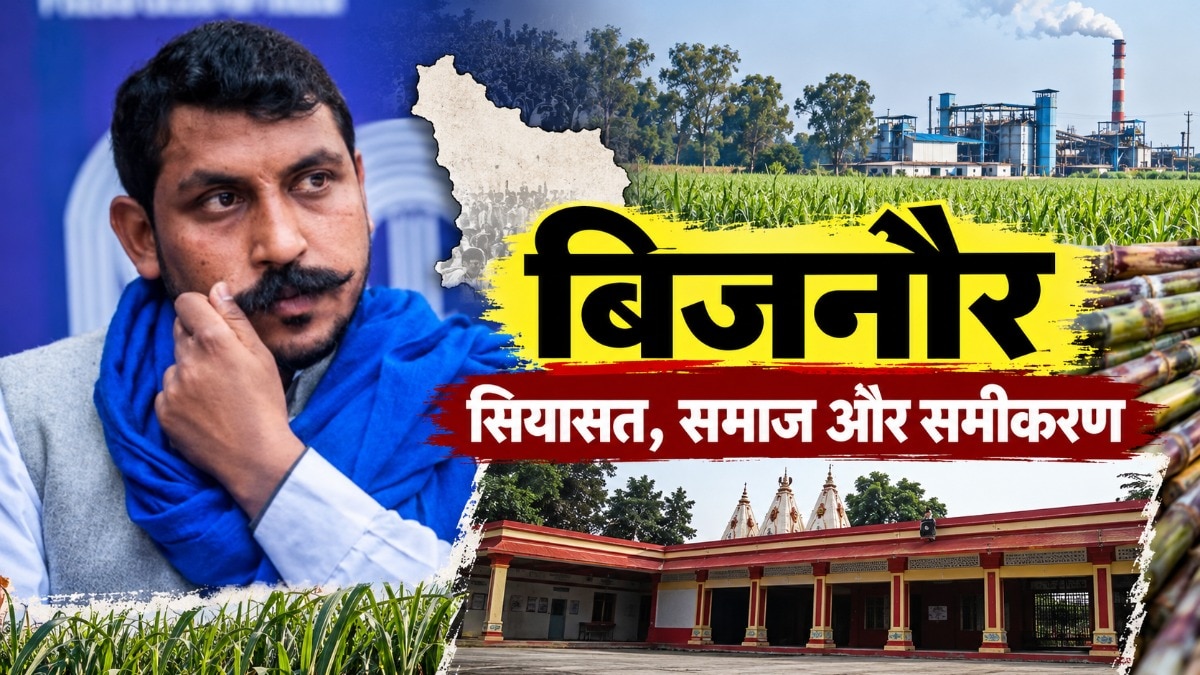
Bijnor, a politically significant constituency in western Uttar Pradesh, presents a complex electoral scenario where multiple stakeholders vie for influence over the region's political direction. The constituency's voting patterns are shaped by a combination of local leadership, community affiliations, and administrative networks that have evolved over successive election cycles.
The electoral mathematics in Bijnor are determined largely by regional power brokers who command support across different demographic groups. These leaders, many with roots spanning multiple villages and towns within the constituency, maintain networks that translate into voter mobilization during elections. Their ability to consolidate support often proves decisive in determining which candidate or party emerges victorious.
Caste considerations and community-based politics continue to play a significant role in shaping electoral outcomes in Bijnor. Various social groups maintain distinct political preferences, and candidates typically calibrate their campaigns to appeal to these constituencies. The balance between competing interests frequently determines the overall political arithmetic.
Local administrative machinery, ground-level party workers, and grassroots organization also contribute substantially to the electoral dynamics. The coordination between these elements often determines the effectiveness of campaign efforts and ultimately influences voter behavior during elections. Bijnor's political outcomes thus reflect the convergence of these multiple factors rather than any single dominant force.