World · India Bureau
In brass city, Hindu and Muslim communities hold equal political sway
A major city in India's heartland has emerged as a unique electoral battleground where Hindu and Muslim communities wield comparable political influence, reshaping traditional power dynamics in regional politics.
LSN India ·
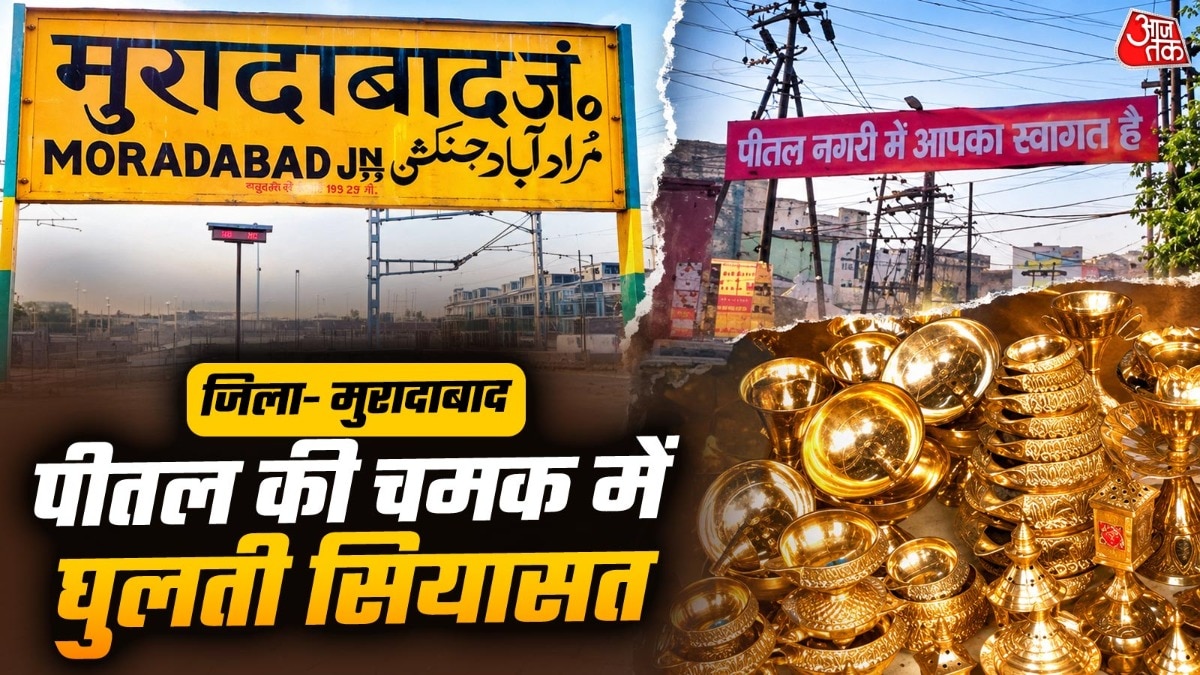
The city, historically known for its brass manufacturing industry, has become a notable case study in India's electoral geography where demographic and political forces have created an unusually balanced competitive landscape. Unlike many constituencies across the country where one community's political strength significantly outweighs another, this region presents a relatively equitable distribution of voting power between its Hindu and Muslim populations.
This political equilibrium has profound implications for how candidates and parties approach campaigning and governance in the region. Political strategists acknowledge that no faction can afford to ignore either community's interests, forcing a more inclusive approach to policy formulation and representation. The balance has made election outcomes less predictable and has encouraged parties to appeal to broader cross-community concerns rather than relying on narrow identity-based mobilization.
Local observers note that this parity has fostered a political culture where community leaders from both groups engage in regular dialogue on shared civic issues. The brass industry, which forms the economic backbone of the city, has historically brought workers from diverse backgrounds together, creating networks of social interaction that transcend religious boundaries.
As the region heads toward upcoming electoral cycles, political analysts suggest this unique balance will continue to shape electoral competition and governance priorities, potentially offering insights into how plural societies can maintain stable democratic participation across community lines.