Politics · World News Bureau
Independent surge fails to break US two-party stranglehold
Record numbers of American voters and candidates are rejecting traditional party affiliations ahead of midterm elections, yet structural barriers continue to entrench Democratic and Republican dominance.
LSN World News ·
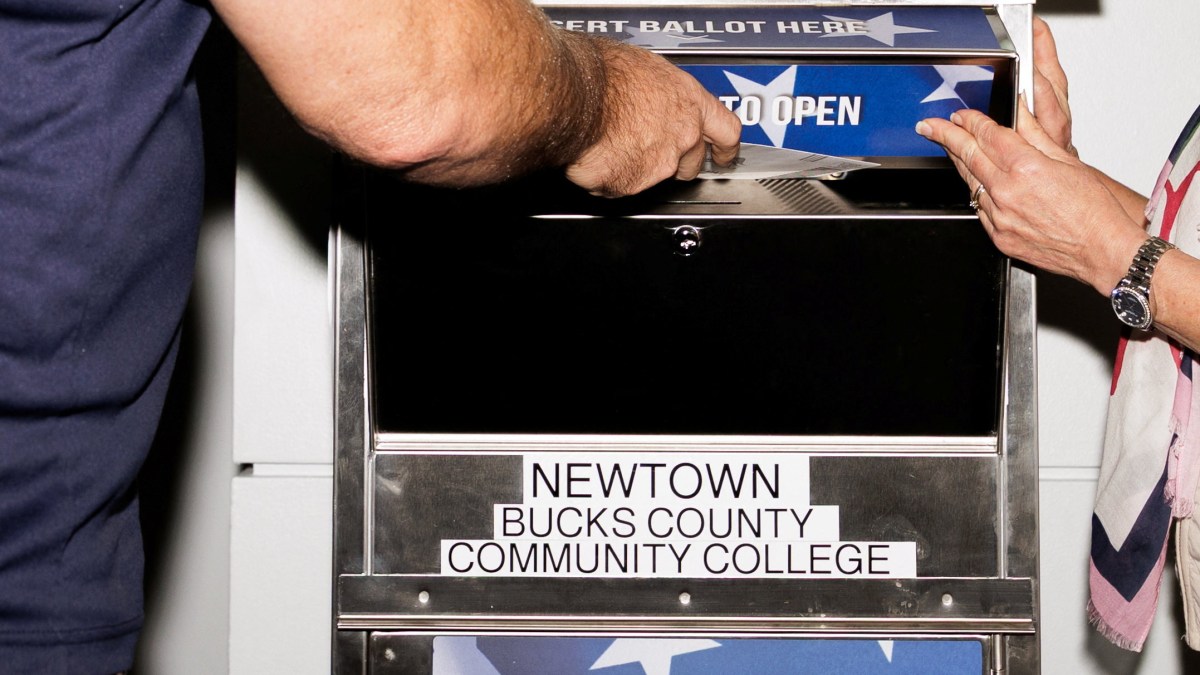
The 2022 midterm election cycle has witnessed unprecedented levels of voter disaffiliation, with independent registrations reaching historic highs across numerous states. Despite this significant shift in voter sentiment, third-party candidates and non-partisan contenders face formidable obstacles in translating support into electoral success.
The American political system's structural architecture—including ballot access laws, debate qualification thresholds, and winner-take-all electoral mechanics—creates substantial disadvantages for candidates operating outside the two major parties. Independents typically lack the institutional fundraising networks, campaign infrastructure, and voter mobilization capabilities that Democrats and Republicans have developed over decades.
While independent voters increasingly represent a meaningful portion of the electorate in many jurisdictions, converting this demographic into electoral gains for non-establishment candidates has proven exceptionally difficult. Polling consistently demonstrates that voters expressing independent leanings often default to major-party candidates in general elections, citing concerns about "wasted votes" or strategic voting considerations.
Analysts note that the persistence of the two-party duopoly reflects not merely voter preference but rather legal and procedural frameworks that systematically disadvantage challengers. State-level ballot access requirements, primary system designs, and campaign finance structures collectively function to reinforce existing partisan configurations, even as grassroots frustration with both major parties continues to mount.