World · World News Bureau
India accelerates semiconductor ambitions despite late-mover disadvantages
India is ramping up efforts to develop a domestic semiconductor industry, though analysts caution the nation faces significant structural challenges as a latecomer to the high-stakes global market dominated by established players.
LSN World News ·
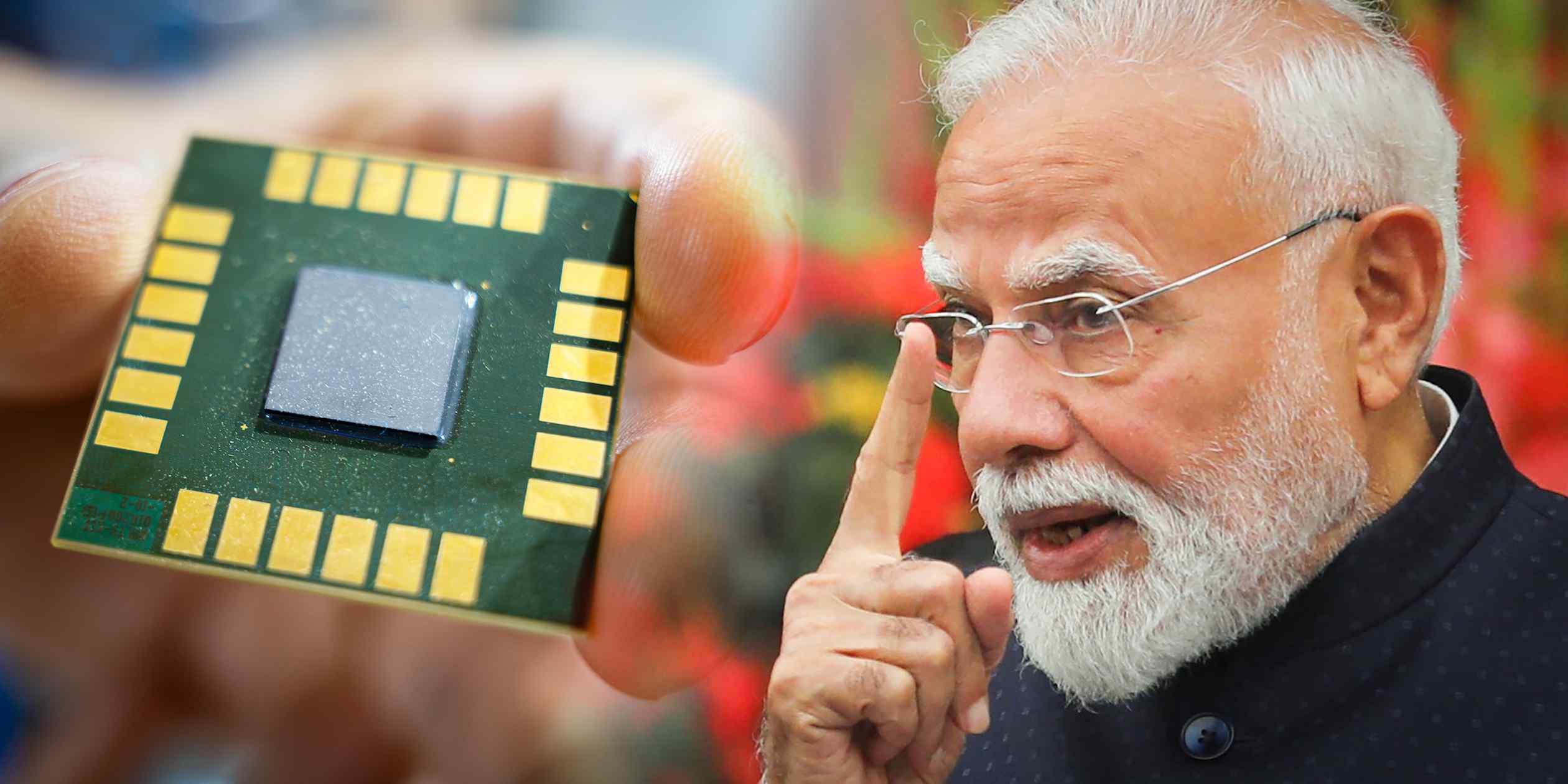
India is intensifying its push to establish a competitive semiconductor manufacturing sector, marking a strategic shift toward technological self-reliance and reducing dependence on imports. The initiative reflects New Delhi's broader ambitions to position the country as a major player in global electronics production and supply chains.
However, industry experts are sounding cautionary notes about the obstacles India must overcome. The semiconductor sector demands enormous capital investment, advanced technical expertise, and established supply ecosystems that have taken decades to build in countries like Taiwan, South Korea, and the United States. Late entrants face steep learning curves and the challenge of competing against entrenched manufacturers with superior economies of scale.
Key barriers include the need for sustained government support, attracting specialized workforce talent, and securing partnerships with established chip designers and equipment suppliers. India's domestic market, while large, may not provide sufficient returns to justify the massive upfront investments required to build world-class fabrication plants.
Despite these headwinds, India has launched targeted incentive schemes and signed agreements with international semiconductor firms to establish manufacturing operations. Officials argue that developing indigenous chip production capacity is essential for national security and economic growth, particularly given rising geopolitical tensions and supply chain vulnerabilities exposed in recent years.
Analysts suggest India's success will depend on consistent policy implementation, adequate funding commitments, and the ability to retain skilled workers in an increasingly competitive global talent market for semiconductor professionals.