Politics · India Bureau
India aims to nurture 200 chip design startups under Semicon 2.0
The government plans to significantly scale up its semiconductor ambitions by targeting at least 200 startups and companies engaged in chip design under the next phase of its semiconductor mission. Electronics and IT Minister Ashwini Vaishnaw outlined the expanded goals at SEMICON India 2026, building on earlier efforts that saw over 100 startups attempt chip design.
LSN India ·
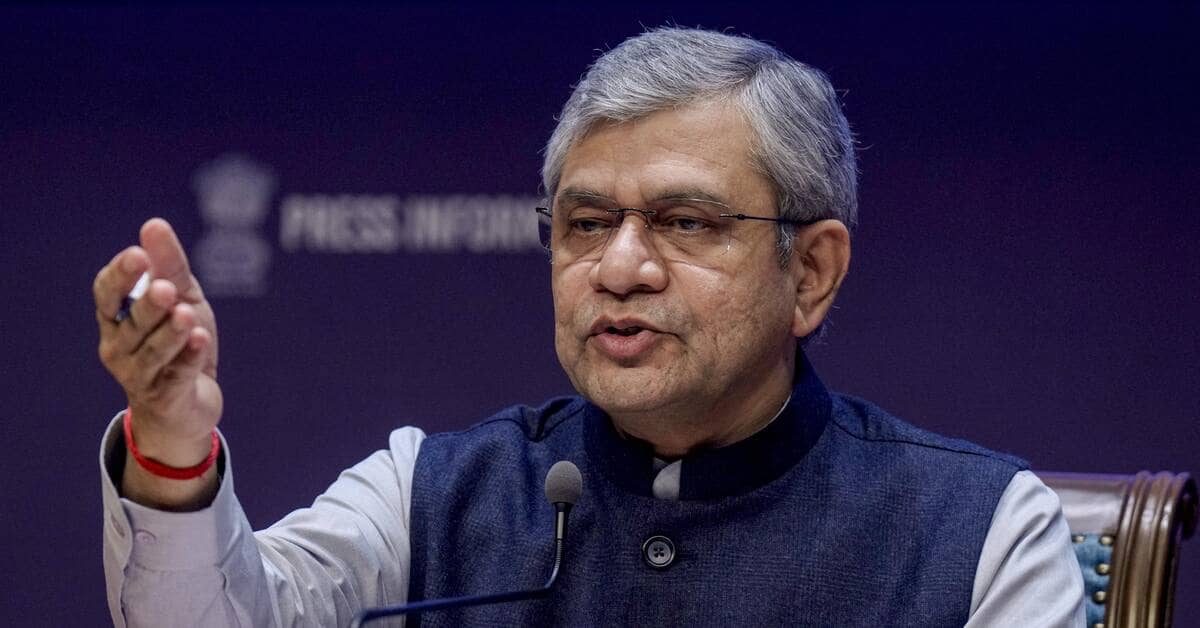
India's government is preparing to dramatically expand its domestic semiconductor design ecosystem, with plans to support at least 200 startups and firms developing chips as part of Semicon 2.0, the next phase of the country's semiconductor mission. Union Minister for Electronics and Information Technology Ashwini Vaishnaw announced the ambition while inaugurating SEMICON India 2026, signalling a substantial jump from the previous programme.
Chip design will form the first pillar of the revamped Semicon 2.0 initiative, representing a strategic focus area as the government seeks to build deeper capabilities across the semiconductor value chain. The announcement reflects confidence in India's growing design talent pool and ecosystem maturity following the first phase of the semiconductor mission.
Under Semicon 1.0, more than 105 startups attempted chip design projects, with approximately 20 securing venture capital funding totalling around Rs 800 crore. The new targets underscore the government's determination to accelerate this momentum. Officials believe India now has the foundational infrastructure necessary to support a more ambitious cohort of design-focused enterprises across multiple semiconductor segments.
The expansion of chip design capabilities aligns with India's broader strategy to reduce dependence on imported semiconductors and establish itself as a significant player in the global electronics industry. By nurturing a larger pool of domestic design talent and ventures, policymakers aim to create sustainable competitive advantages in an increasingly critical sector.