Politics · India Bureau
India bans export of battery waste to boost domestic recycling
The Directorate General of Foreign Trade has prohibited the export of battery waste and lithium-ion black mass, shifting policy from free trade to an outright ban. The move aims to retain valuable materials for domestic processing and recycling.
LSN India ·
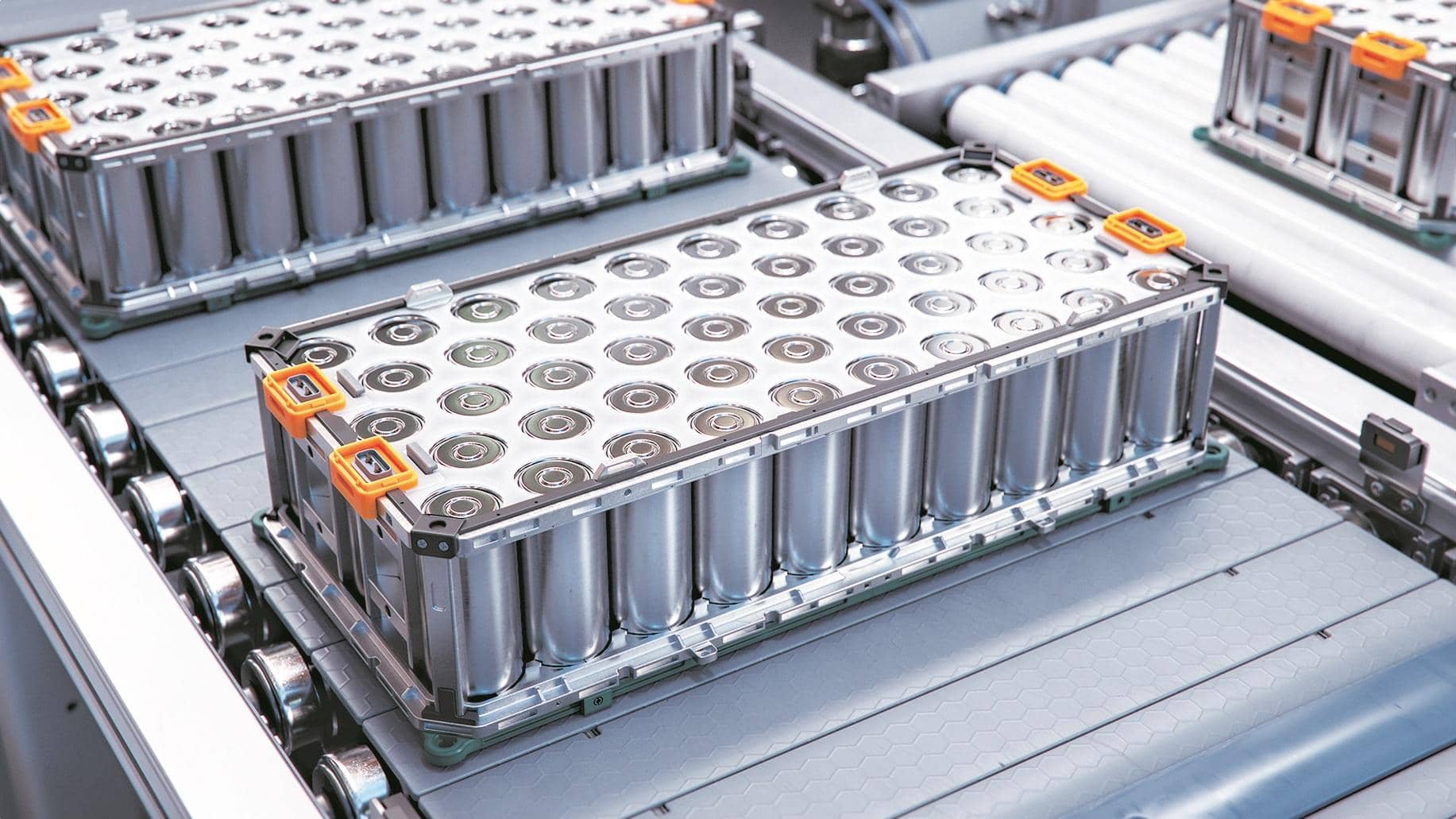
India's trade regulator has effectively closed its borders to battery waste exports, reclassifying specified battery scrap under ITC (HS) code 85491400 from 'Free' to 'Prohibited' status. The Directorate General of Foreign Trade (DGFT) implemented the change with immediate effect, marking a significant policy shift in the country's approach to battery waste management.
The ban encompasses lithium-ion black mass and other battery waste materials previously allowed for export. Industry observers view the restriction as part of a broader strategy to retain valuable raw materials—including lithium, cobalt, and nickel—within India's borders for domestic processing rather than allowing them to be shipped overseas.
The prohibition aligns with India's growing focus on establishing a circular economy for battery materials as electric vehicle adoption accelerates across the country. Domestic recycling capacity has expanded in recent years, with several facilities now operational to process spent batteries and recover critical minerals essential for battery manufacturing.
The move is expected to support India's renewable energy and electric mobility ambitions by ensuring steady domestic supply of recycled battery materials for local manufacturers. However, it may create compliance challenges for companies with existing export contracts and could temporarily disrupt established supply chains in the battery recycling sector.