Politics · India Bureau
India bans lithium-ion battery black mass exports to boost domestic recycling
The government has moved to restrict exports of lithium-ion battery black mass, a key intermediate material in battery recycling, to secure critical mineral supplies for domestic processors. The move aims to strengthen India's domestic recycling capacity and reduce reliance on imported materials.
LSN India ·
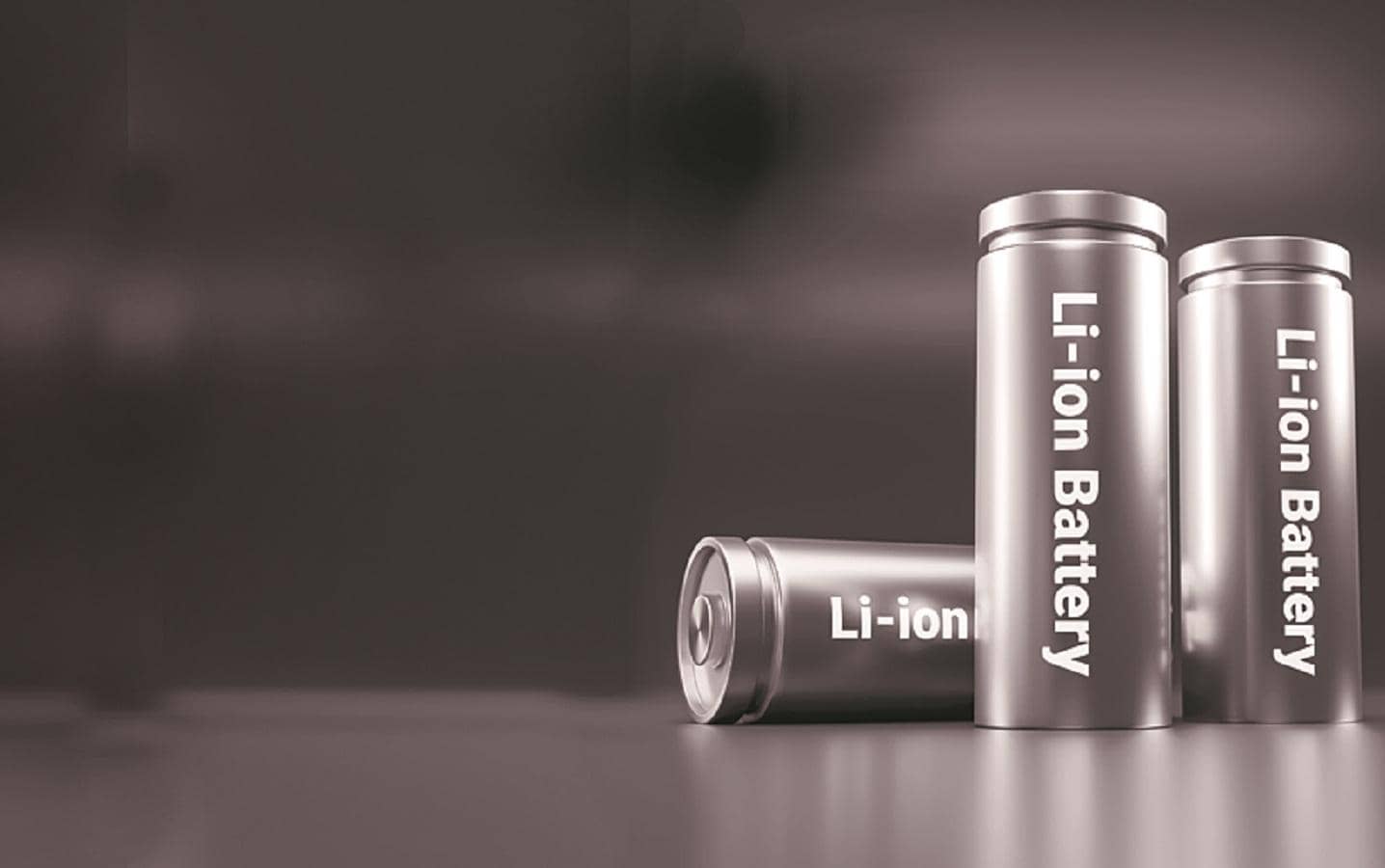
India's government has imposed a ban on exports of lithium-ion battery black mass, the dark residue produced during battery recycling that contains valuable minerals like lithium, cobalt, and nickel. The restriction is designed to ensure sufficient feedstock for the country's emerging battery recycling industry, which has been hampered by limited access to raw materials.
The export prohibition is expected to help domestic recyclers optimise their operational capacity and reduce their dependence on imported black mass and processed minerals. As electric vehicle adoption accelerates across India, the recycling sector has become increasingly critical to meeting future demand for battery materials and reducing import costs.
By keeping black mass within India's borders, the government aims to create a more vertically integrated supply chain for battery materials. This approach supports the country's broader goal of establishing a self-sufficient battery ecosystem and reducing vulnerability to international price fluctuations in critical minerals.
The measure aligns with India's push to develop a circular economy in the battery sector, encouraging investment in domestic recycling facilities and processing technologies. Industry observers expect the ban to create opportunities for recyclers to scale operations while contributing to India's long-term energy security objectives.