Politics · India Bureau
India bans lithium-ion battery black mass exports to boost domestic recycling
The Indian government has imposed an immediate ban on exports of lithium-ion battery black mass to conserve critical minerals for domestic recycling operations. The move aims to strengthen the country's battery recycling infrastructure and reduce dependence on imported raw materials.
LSN India ·
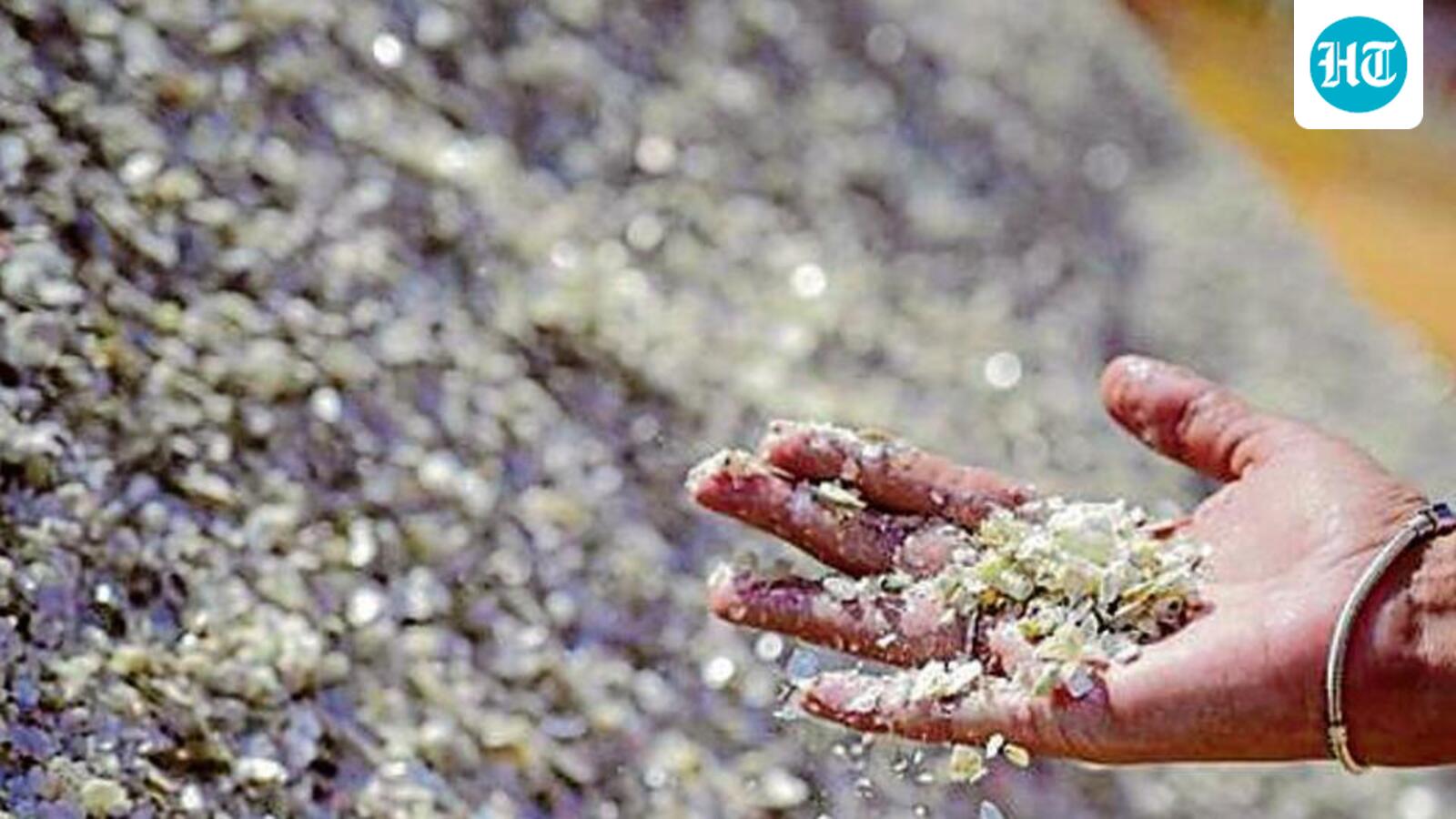
India has prohibited the export of lithium-ion battery black mass effective immediately, according to government officials. The directive seeks to retain critical minerals within the country's borders for processing through domestic recycling facilities rather than allowing them to be shipped overseas.
Black mass is a residual material produced after initial processing of spent lithium-ion batteries. It contains valuable minerals including cobalt, nickel, and lithium that can be recovered and reused in new battery manufacturing. By restricting exports, the government aims to create a closed-loop recycling system that maximizes the recovery of these essential materials domestically.
The export ban aligns with India's broader strategy to secure its supply chain for electric vehicle batteries and renewable energy storage systems. As the country accelerates its transition toward cleaner energy sources, demand for lithium-ion batteries is expected to surge significantly in the coming years. Ensuring adequate domestic supplies of critical minerals will reduce India's reliance on international imports and strengthen its manufacturing capabilities.
The prohibition is also expected to boost investment in India's battery recycling sector, creating opportunities for businesses to establish or expand processing facilities across the country. Officials indicated that the policy would remain under review based on the development of domestic recycling capacity and mineral recovery rates.