World · India Bureau
India-Bhutan unite on one-horned rhino conservation as cross-border movement rises
A landmark translocation initiative has revived the one-horned rhino population in Manas Tiger Reserve from near extinction to 48 animals over two decades. However, increasing movement of the endangered herbivore across the India-Bhutan border presents fresh challenges for regional conservation efforts.
LSN India ·
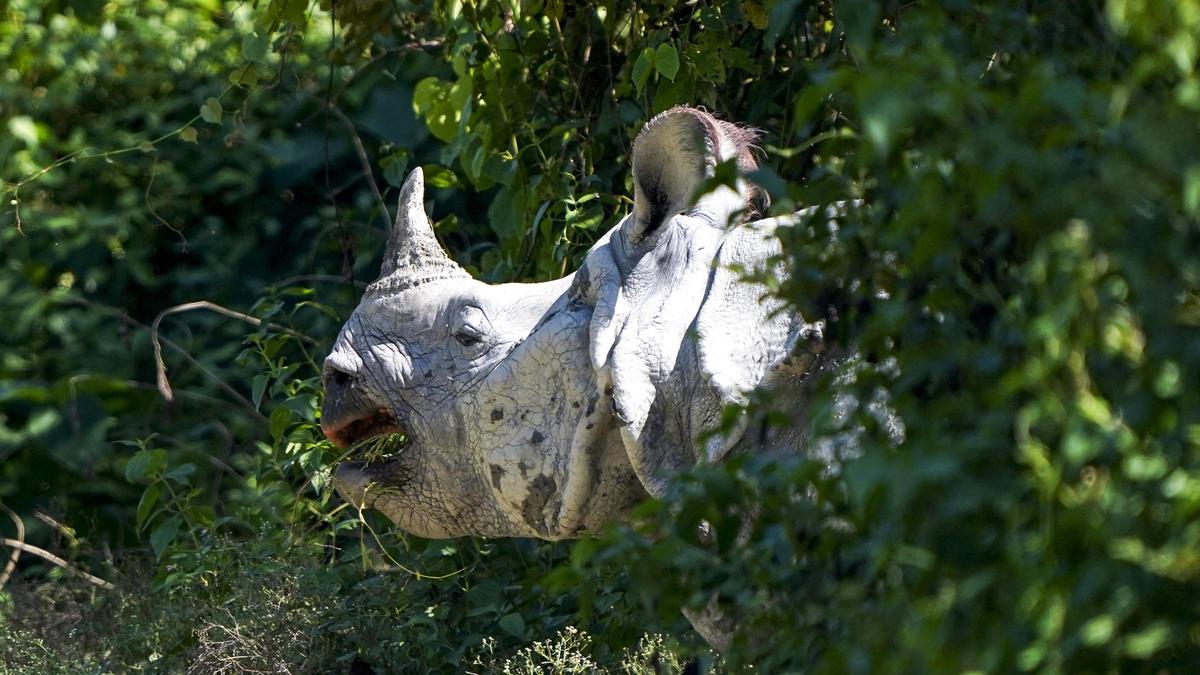
The recovery of one-horned rhinos in Manas Tiger Reserve stands as a conservation success story in South Asia, with numbers rebounding from zero to 48 over the past 20 years through coordinated translocation programmes. The initiative has positioned the reserve, located in Assam along the India-Bhutan border, as a critical habitat for a species that faced near-total extinction in the region.
The translocation effort represents a significant achievement in cross-border wildlife management, with India and Bhutan working in tandem to restore rhino populations in protected areas. Manas Tiger Reserve, recognized as both a UNESCO World Heritage Site and Project Tiger reserve, has emerged as a flagship location for the species' recovery, demonstrating the potential of structured breeding and relocation initiatives.
Yet conservationists now confront an emerging concern: the growing tendency of rhinos to move across the international boundary between the two nations. This cross-border movement, while indicating population health and natural behaviour, has complicated management strategies and raised questions about coordination between Indian and Bhutanese authorities in tracking and protecting animals in transnational zones.
The issue highlights the complexities of wildlife conservation in geographically shared ecosystems, where animal movements do not conform to political borders. As the rhino population continues to expand, both nations face the challenge of ensuring seamless cooperation to monitor and safeguard the species while addressing the practical difficulties posed by international frontiers and differing management protocols.
Conservation experts stress that maintaining momentum in the one-horned rhino's recovery will require strengthened bilateral frameworks and enhanced intelligence-sharing between India and Bhutan, particularly regarding animals inhabiting border regions and transnational corridors.