Culture & Entertainment · India Bureau
India boosts classroom staffing, but women lag in education leadership
While several Indian states have achieved impressive pupil-teacher ratios, gender disparity persists in senior educational positions. Himachal Pradesh and Uttarakhand lead the nation with ratios below 15 students per teacher.
LSN India ·
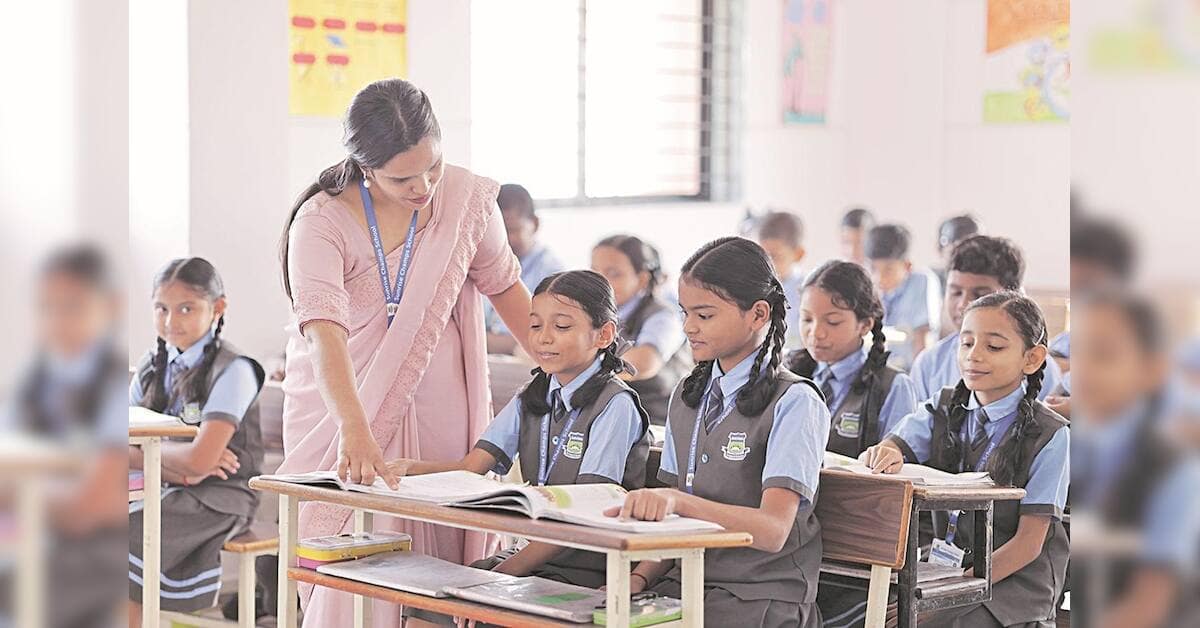
India's efforts to strengthen classroom capacity have yielded measurable gains, with several states reporting pupil-teacher ratios (PTRs) that rank among the best globally. Himachal Pradesh and Uttarakhand have emerged as frontrunners, maintaining PTRs below 15 students per educator—a threshold considered optimal for effective instruction and individual student attention.
The improvements reflect substantial investments in teacher recruitment and deployment across Indian schools. States achieving lower ratios have reportedly prioritized reducing classroom sizes to enhance learning outcomes and allow educators greater capacity to address individual student needs. These figures suggest progress in addressing longstanding capacity constraints that have challenged India's education sector.
However, gains in overall teacher availability mask persistent gender imbalances in educational administration and senior roles. Despite increased female representation in classroom teaching positions, women remain underrepresented in leadership and management positions within education departments and institutions. This disparity indicates that while access to teaching employment has expanded, barriers to advancement into senior educational roles continue to affect women educators across Indian states.
Education officials have indicated ongoing focus on further reducing PTRs in underperforming regions while working to ensure equitable career progression for female teaching staff. Closing both classroom capacity gaps and gender representation disparities remains essential for India's education system development.