World · India Bureau
India Can Become Global Food Basket: Paswan Outlines Agricultural Strategy
JD(U) leader Chirag Paswan has outlined a roadmap to position India as a global food supplier, emphasizing the need for on-farm processing units and improved packaging and marketing infrastructure. The strategy aims to boost farmer incomes and create employment opportunities across the agricultural value chain.
LSN India ·
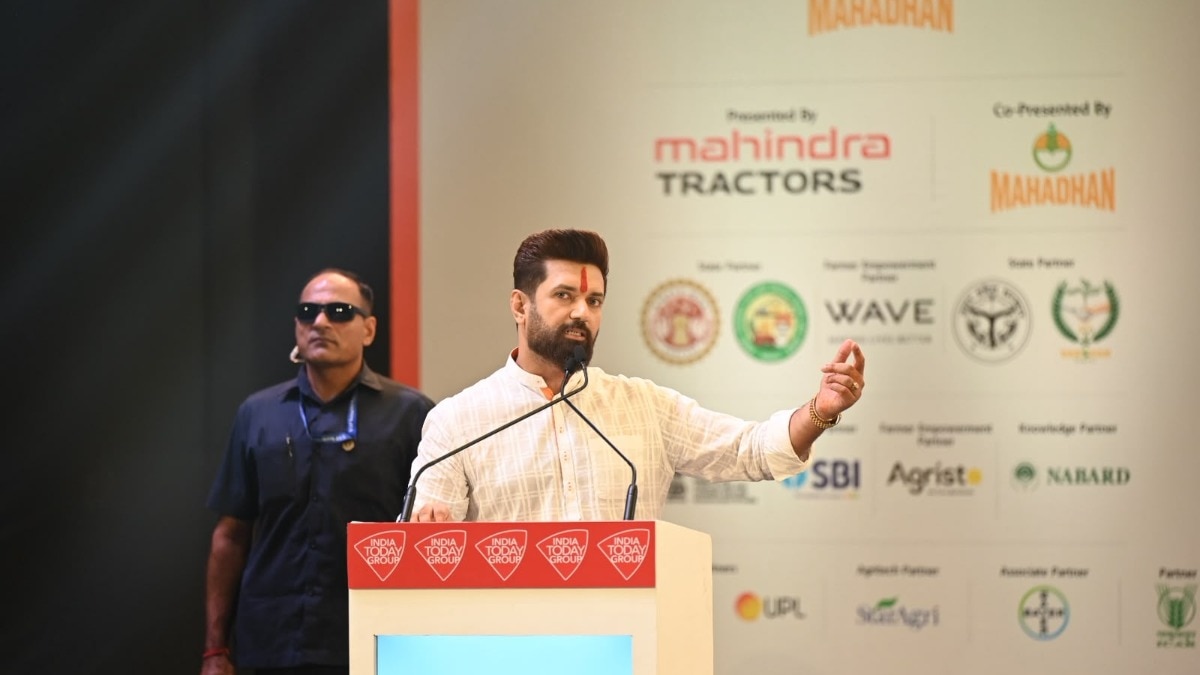
Chirag Paswan has articulated a vision for transforming India into a major player in global food markets, contingent on establishing processing units near agricultural areas and strengthening distribution networks. Speaking on the agricultural sector's development trajectory, the JD(U) leader emphasized that strategic investments in post-harvest infrastructure could significantly enhance India's export potential.
According to Paswan's assessment, Indian agricultural products currently face limitations in reaching international markets due to inadequate processing facilities and substandard packaging. By localizing value-addition near farms, the nation could reduce wastage, improve product quality, and enhance competitiveness in overseas markets where Indian food products command growing demand.
The proposal links enhanced export capabilities directly to rural prosperity. Paswan contended that improved marketing arrangements coupled with on-farm processing would enable farmers to capture greater value from their produce, thereby increasing their earnings. The initiative would simultaneously generate employment opportunities across processing, packaging, and logistics sectors, particularly benefiting rural communities.
India's agricultural sector currently produces substantial food surpluses, yet much of this output remains constrained to domestic markets. Paswan's roadmap suggests that targeted infrastructure development could unlock significant economic potential while positioning Indian agriculture as a competitive force in global food supply chains.