World · Singapore Bureau
India closes historic Delhi protest venue after 30 years of activism
The shutdown of Jantar Mantar, a key gathering point for dissent in India's capital, has raised fresh concerns about the shrinking space for democratic expression. Civil society groups have questioned the timing and rationale behind the closure.
LSN Singapore ·
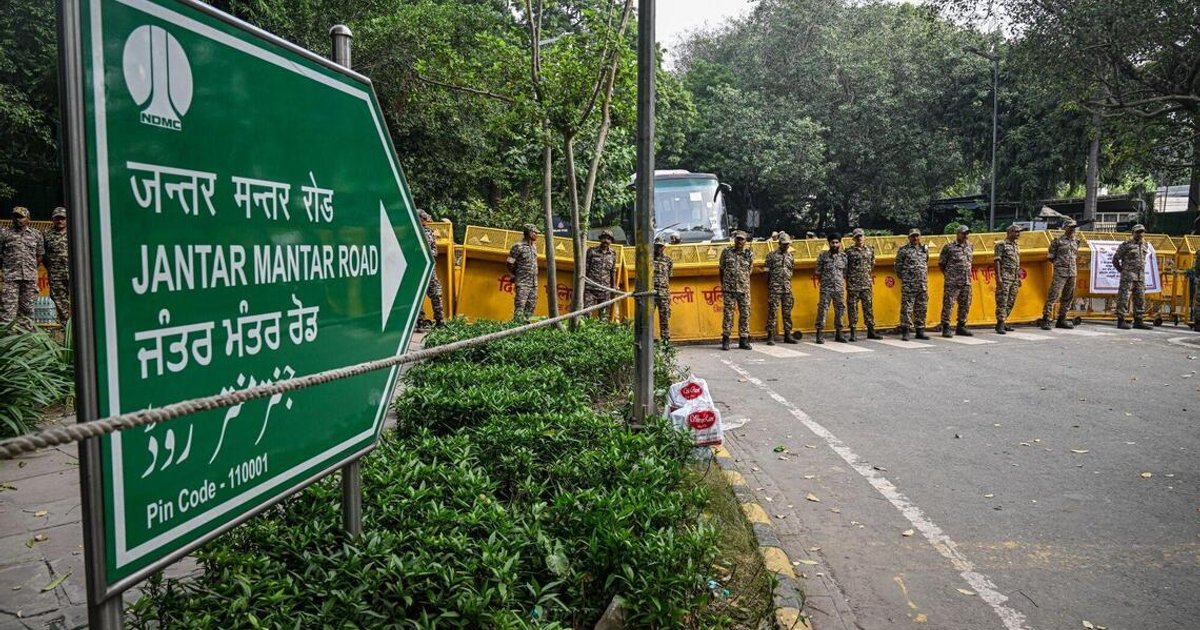
NEW DELHI — Indian authorities have shuttered Jantar Mantar, one of South Asia's most recognisable protest sites, marking the end of three decades as a focal point for activism and public demonstrations in the national capital.
The site, located in central Delhi near Parliament, became synonymous with civil disobedience movements and hosted numerous campaigns ranging from environmental causes to anti-corruption protests. Its closure represents a significant symbolic moment for India's civic engagement landscape.
Human rights advocates and opposition figures have expressed alarm over the decision, characterising it as emblematic of broader restrictions on assembly and freedom of expression. They argue that the removal of established protest spaces constrains democratic participation and marginalises dissenting voices.
Authorities have not provided extensive public justification for the permanent closure. The decision comes as India navigates discussions about balancing public order concerns with constitutional protections for free assembly and petition rights.
The shutdown is likely to intensify debates among civil society organisations about the future of public protest infrastructure in major Indian cities and the state's approach to managing dissent during a period of significant political and social change.