Politics · India Bureau
India cuts extreme poverty, revamps urban transport in 12-year drive
Prime Minister Narendra Modi highlighted significant progress in reducing extreme poverty and modernizing urban transportation infrastructure over the past dozen years. The claims underscore the government's development agenda ahead of key policy announcements.
LSN India ·
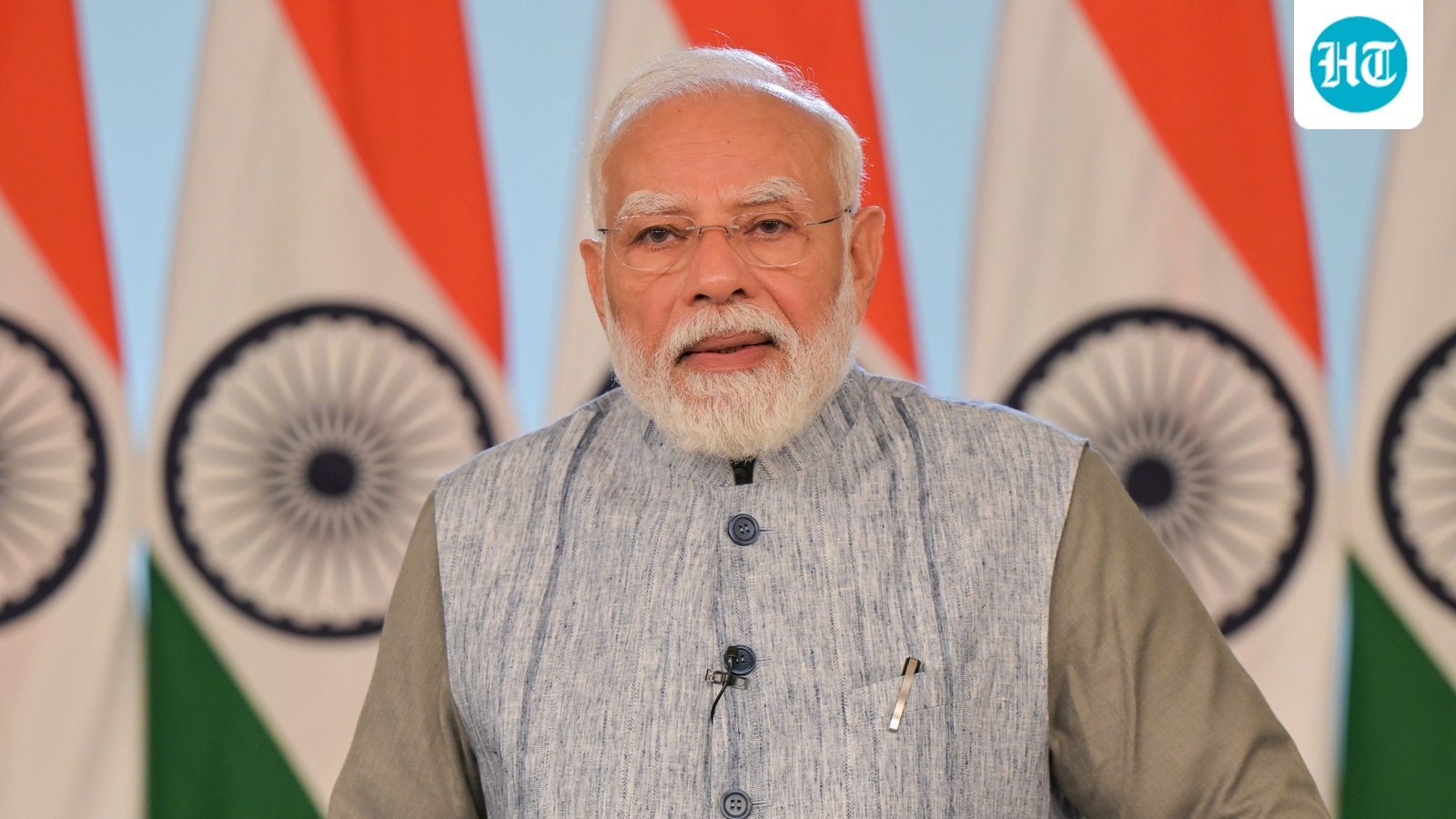
India has made substantial gains in alleviating extreme poverty and transforming its urban transport systems over the past 12 years, according to statements from the Prime Minister's office. The remarks emphasized the cumulative impact of policy initiatives and infrastructure investments across the country's cities and rural regions.
The poverty reduction figures reflect ongoing efforts through various central government schemes aimed at improving living standards and economic opportunities. Officials cited improvements in access to basic services, employment generation programs, and financial inclusion as key drivers of the change.
In parallel, India's urban centers have undergone significant transportation infrastructure modernization. Metropolitan areas have expanded metro rail networks, bus rapid transit systems, and road connectivity projects, addressing congestion and improving commuter access across major cities.
These development metrics form part of the government's broader narrative on economic progress and social welfare. The focus on dual fronts—poverty reduction and infrastructure enhancement—reflects the administration's stated priorities of inclusive growth and improved quality of life for India's expanding urban and rural populations.
The initiatives span multiple central schemes and state-level partnerships, involving substantial capital expenditure and policy coordination across government agencies.