World · India Bureau
India develops central scheme to promote solar-farming dual-use model
The government is formulating a nationwide agrivoltaics programme that allows farmers to generate solar power while maintaining agricultural productivity on the same land. The initiative aims to boost renewable energy adoption without compromising food production or farmer livelihoods.
LSN India ·
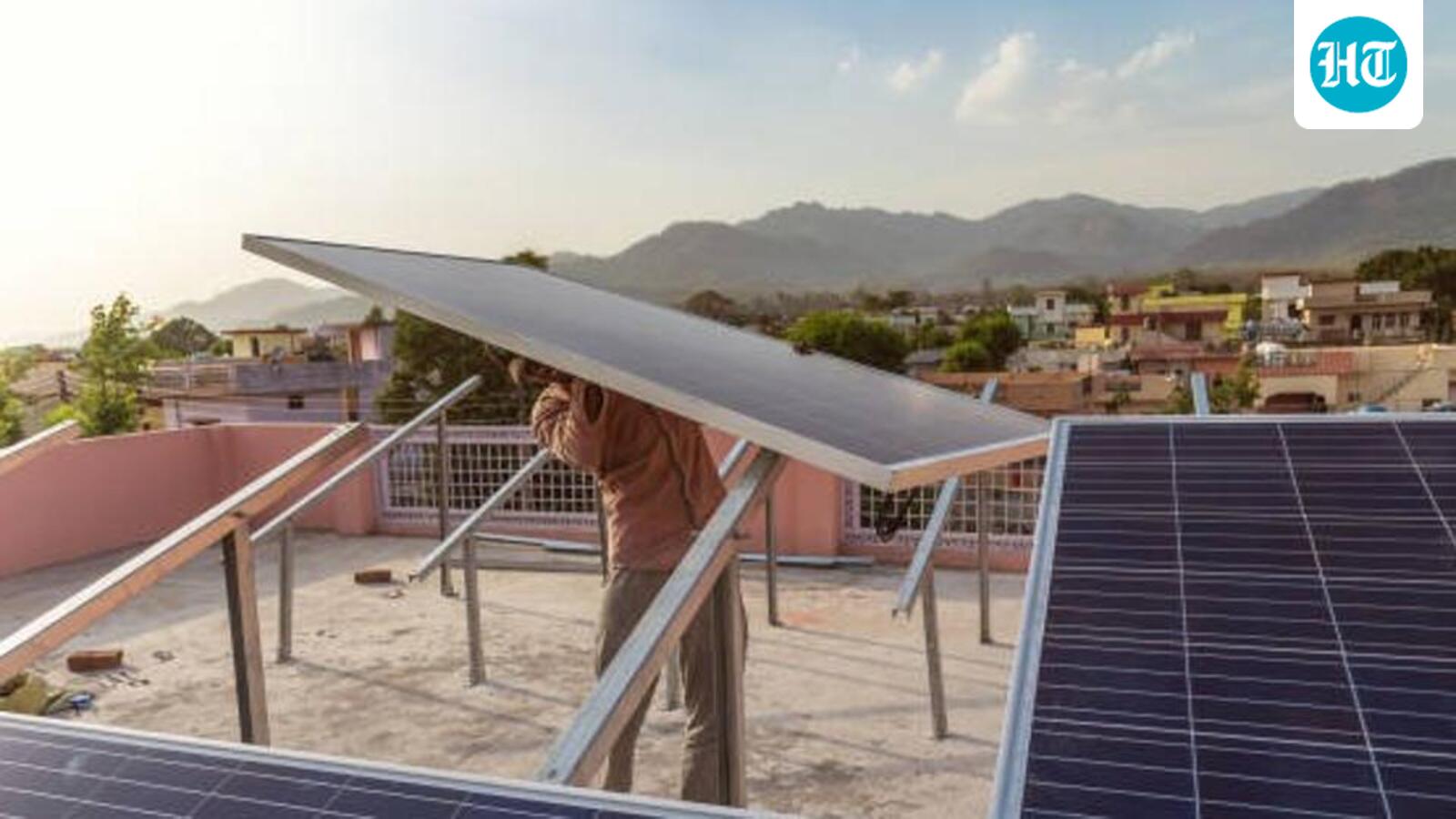
India's central government is developing a comprehensive scheme to promote agrivoltaics, a sustainable farming practice that combines solar energy generation with traditional agriculture. The model involves installing solar panels at elevated heights above cultivated farmland, enabling farmers to continue their farming operations while simultaneously harnessing solar power beneath the panels.
Under this dual-use approach, solar installations are positioned high enough to allow sunlight to reach crops below, while the panels generate electricity for grid supply or farm consumption. This arrangement offers farmers multiple revenue streams through both agricultural produce and solar energy generation, addressing the challenge of land scarcity in India's energy transition.
The agrivoltaics model is particularly significant for India's renewable energy targets while supporting agricultural sustainability. By utilising existing farmland for dual purposes, the scheme reduces pressure on acquiring additional land for solar installations, a key constraint in expanding India's solar capacity. Farmers benefit from stable income through solar feed-in tariffs while maintaining their traditional agricultural activities.
The central government's initiative is expected to pilot the scheme across select states before national rollout. Officials view agrivoltaics as a critical tool in reconciling India's ambitious renewable energy goals with food security imperatives, particularly as climate change poses increasing threats to conventional farming.