Politics · World News Bureau
India Disputes International Arbitration on Indus Waters Treaty
India has challenged a ruling from a Hague-based arbitration court affirming that the Indus Waters Treaty remains legally binding. The dispute centers on the continued validity of the decades-old water-sharing agreement between India and Pakistan.
LSN World News ·
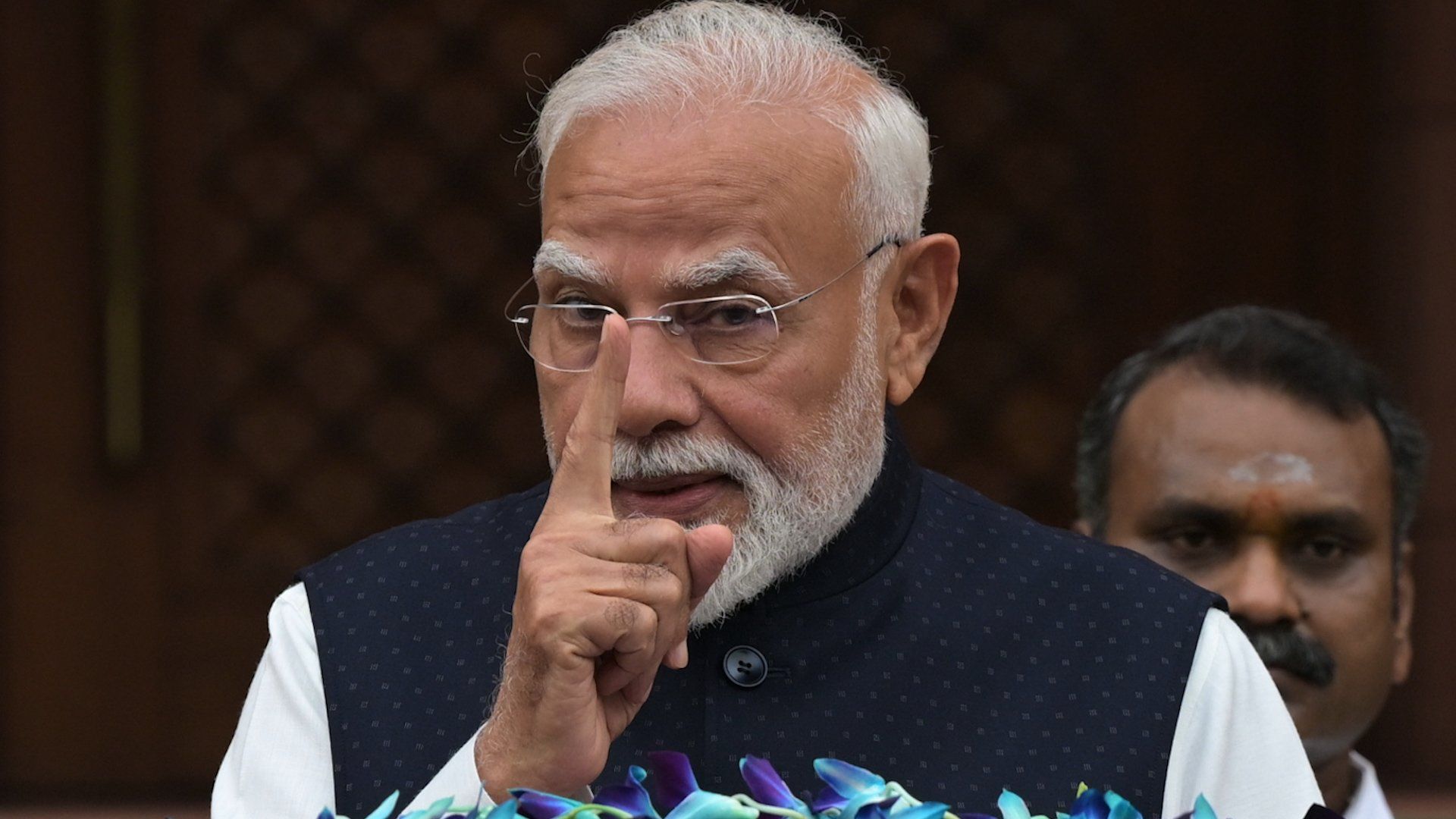
India has rejected a determination by an international arbitration panel in The Hague that the Indus Waters Treaty continues to govern relations between New Delhi and Islamabad regarding shared river systems. The ruling, issued by the tribunal, upheld the treaty's ongoing force despite tensions between the two nations.
The Indus Waters Treaty, signed in 1960 and brokered by the World Bank, represents one of the world's most significant transboundary water-sharing agreements. It divides the waters of the Indus River system between India and Pakistan, with India granted control of three eastern tributaries and Pakistan allocated the three western rivers.
India's rejection of the arbitration court's decision signals heightened friction over the water accord's implementation and interpretation. The dispute reflects broader geopolitical tensions between the neighboring countries, which have intermittently questioned aspects of their water-sharing arrangements.
The treaty includes mechanisms for dispute resolution, with the arbitration panel's ruling addressing whether the agreement remains valid and binding on both signatory nations. India's contestation of this determination could complicate efforts to maintain the framework that has governed transboundary water management for over six decades.