World · India Bureau
India dominates global air pollution rankings with 22 of 25 worst cities
A new assessment of worldwide air quality reveals that Indian cities overwhelmingly occupy the list of the planet's most polluted urban centres, underscoring the severity of the country's air quality crisis.
LSN India ·
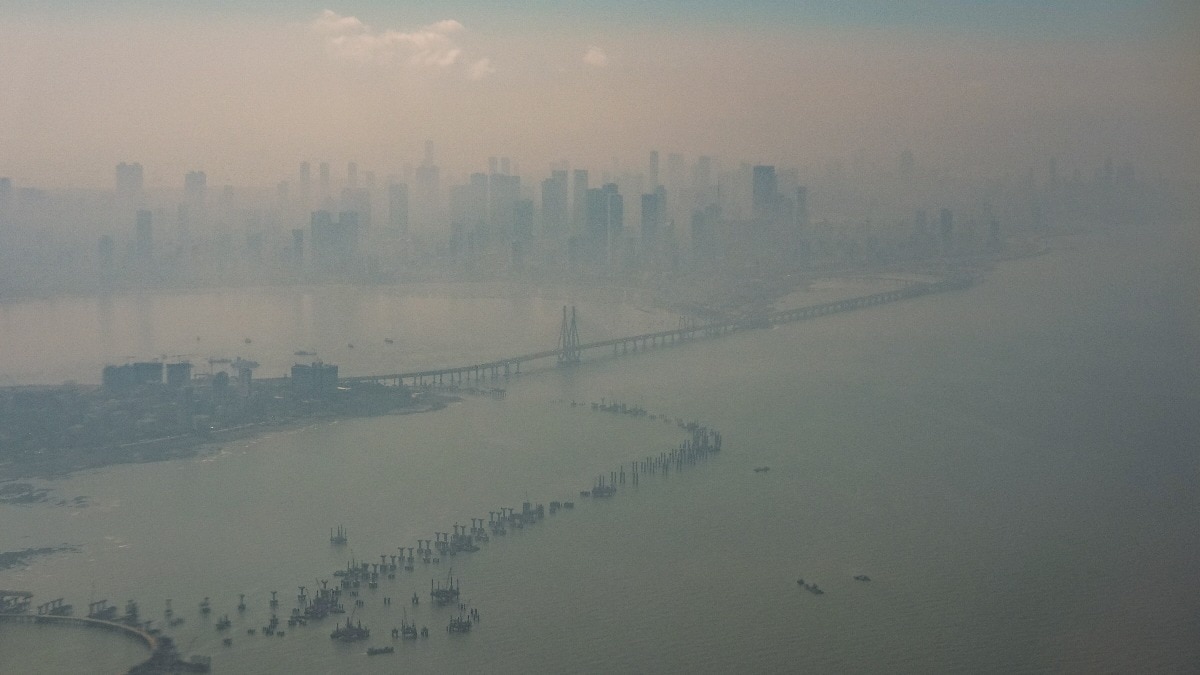
India's air pollution challenge has reached alarming proportions, with 22 of the world's 25 most polluted cities located within its borders, according to recent global air quality data. The concentration of heavily polluted urban centres across the country reflects persistent challenges in industrial emissions, vehicular pollution, and seasonal factors that continue to degrade air quality in major population centres.
The air quality crisis extends across multiple regions of India, affecting residents from northern industrial zones to rapidly urbanising areas in central and southern states. Cities face a combination of challenges including emissions from manufacturing, construction dust, agricultural burning during harvest seasons, and increasing vehicular traffic, all of which contribute to hazardous particulate matter levels that exceed safe thresholds established by health agencies.
The widespread nature of India's pollution problem demands coordinated action across multiple sectors. Government agencies, urban planners, and industry stakeholders have implemented various measures including emission standards, vehicle restrictions, and industrial regulations. However, experts contend that the scale of the challenge requires sustained, long-term interventions addressing pollution sources at their root while accounting for India's development priorities.
The health implications of persistent air pollution remain significant, with exposure linked to respiratory diseases, cardiovascular problems, and reduced life expectancy in heavily affected regions. Public health officials have emphasised the importance of monitoring air quality and implementing protective measures, particularly for vulnerable populations including children and the elderly.