World · India Bureau
India explores crop residue recycling to curb agricultural burning
As farmers across India grapple with managing straw and stubble, entrepreneurs are exploring innovative uses for agricultural waste—from alternative fuel to mushroom cultivation—offering potential economic alternatives to crop burning.
LSN India ·
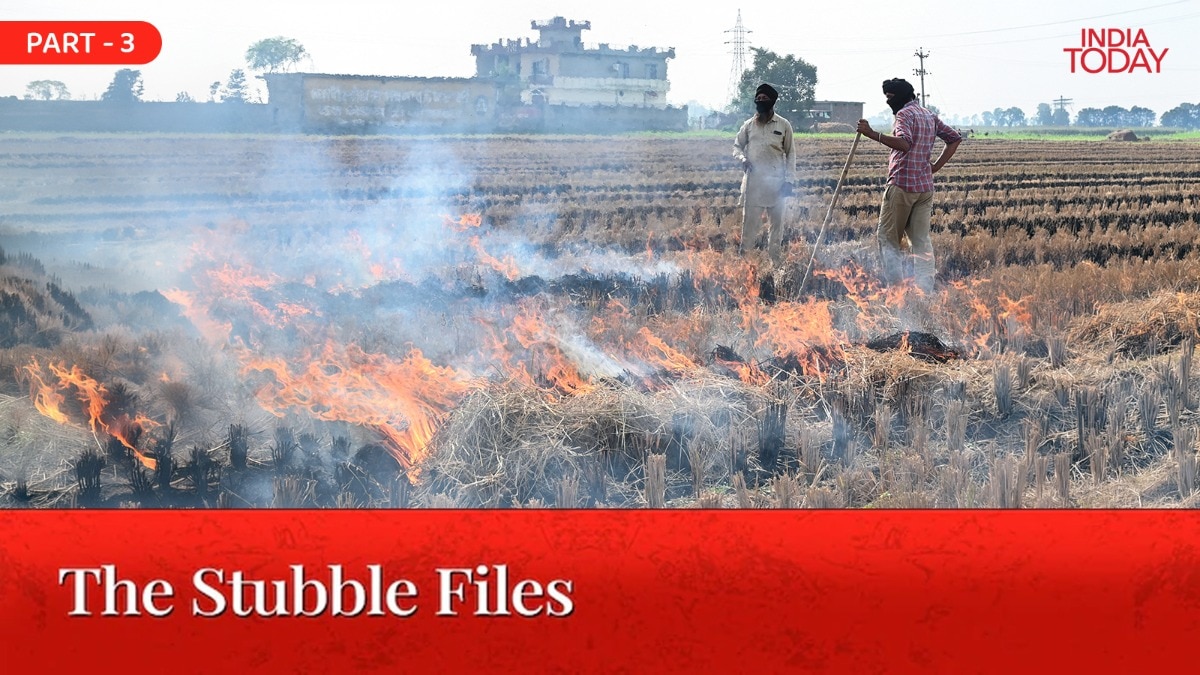
Agricultural waste management has emerged as a critical challenge in India, particularly during harvest seasons when farmers traditionally resort to burning crop residue. This practice contributes significantly to air pollution across northern India and neighboring regions. However, a growing number of businesses and agricultural experts are examining ways to transform this stubble into economically viable products rather than ash.
One approach gaining traction involves converting agricultural residue into biomass fuel for industrial and domestic use. Straw and other crop waste can be processed into pellets or briquettes that serve as renewable energy sources, potentially reducing dependence on fossil fuels while creating value from otherwise discarded material. This conversion process requires investment in processing infrastructure but could generate income for farming communities.
Simultaneously, entrepreneurs have identified opportunities in mushroom cultivation using straw as a growing medium. Oyster mushrooms and other varieties thrive on agricultural residue, offering farmers an additional revenue stream while simultaneously utilizing crop waste productively. Several pilot projects have demonstrated viable yields, attracting interest from agricultural cooperatives and small-scale entrepreneurs.
Experts acknowledge that scaling these initiatives requires policy support, infrastructure development, and farmer awareness programs. Government incentives and technical assistance could accelerate adoption of crop residue-based enterprises, potentially transforming a environmental problem into an economic opportunity while simultaneously improving air quality across the region.