World · India Bureau
India Explores Long-Range Torpedo Technology for Enhanced Naval Defence
India is investigating advanced torpedo systems capable of striking submerged targets from distances up to 250 kilometres, potentially reducing the need for aircraft and drones to approach enemy submarines in combat scenarios.
LSN India ·
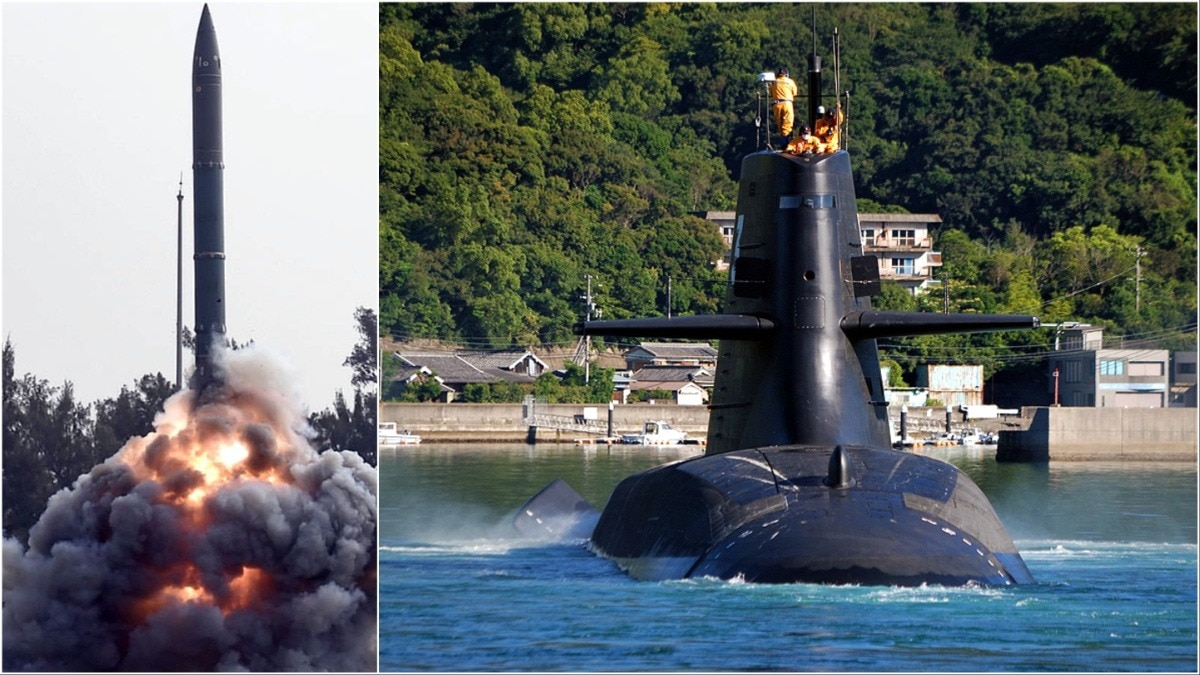
Indian defence planners are examining the feasibility of developing extended-range torpedo technology as part of broader efforts to strengthen the nation's anti-submarine warfare capabilities. The initiative would enable naval forces to engage hostile submarines from significantly greater distances than current systems allow, fundamentally altering tactical approaches to maritime defence.
The proposed technology represents a shift in naval combat doctrine. Conventional anti-submarine operations typically require aircraft, helicopters, or drone platforms to close proximity to suspected target locations before deploying ordnance. A 250-kilometre range would substantially expand the engagement envelope, allowing surface vessels and shore-based systems to neutralise threats while maintaining greater standoff distance.
The development aligns with India's broader modernisation of its submarine detection and neutralisation infrastructure. Enhanced long-range capabilities would complement existing sonar networks and air-based surveillance systems currently deployed across the Indian Ocean region, creating a more layered and resilient maritime defence architecture.
Naval analysts note that extended-range torpedo systems remain technically challenging to develop and deploy effectively. Sustaining accuracy and guidance over such distances requires sophisticated targeting data and real-time course corrections, technology areas where leading naval powers have invested substantial resources over recent decades.
The exploration of such capabilities underscores India's commitment to maintaining technological parity in regional waters amid evolving maritime security challenges.