Business · World News Bureau
India explores organic farming amid urea supply crisis from Iran tensions
Geopolitical tensions involving Iran are roiling global urea markets, prompting India to accelerate its pivot toward natural farming methods and alternative fertilizer sources. The disruption highlights New Delhi's vulnerability to volatile international fertilizer supplies.
LSN World News ·
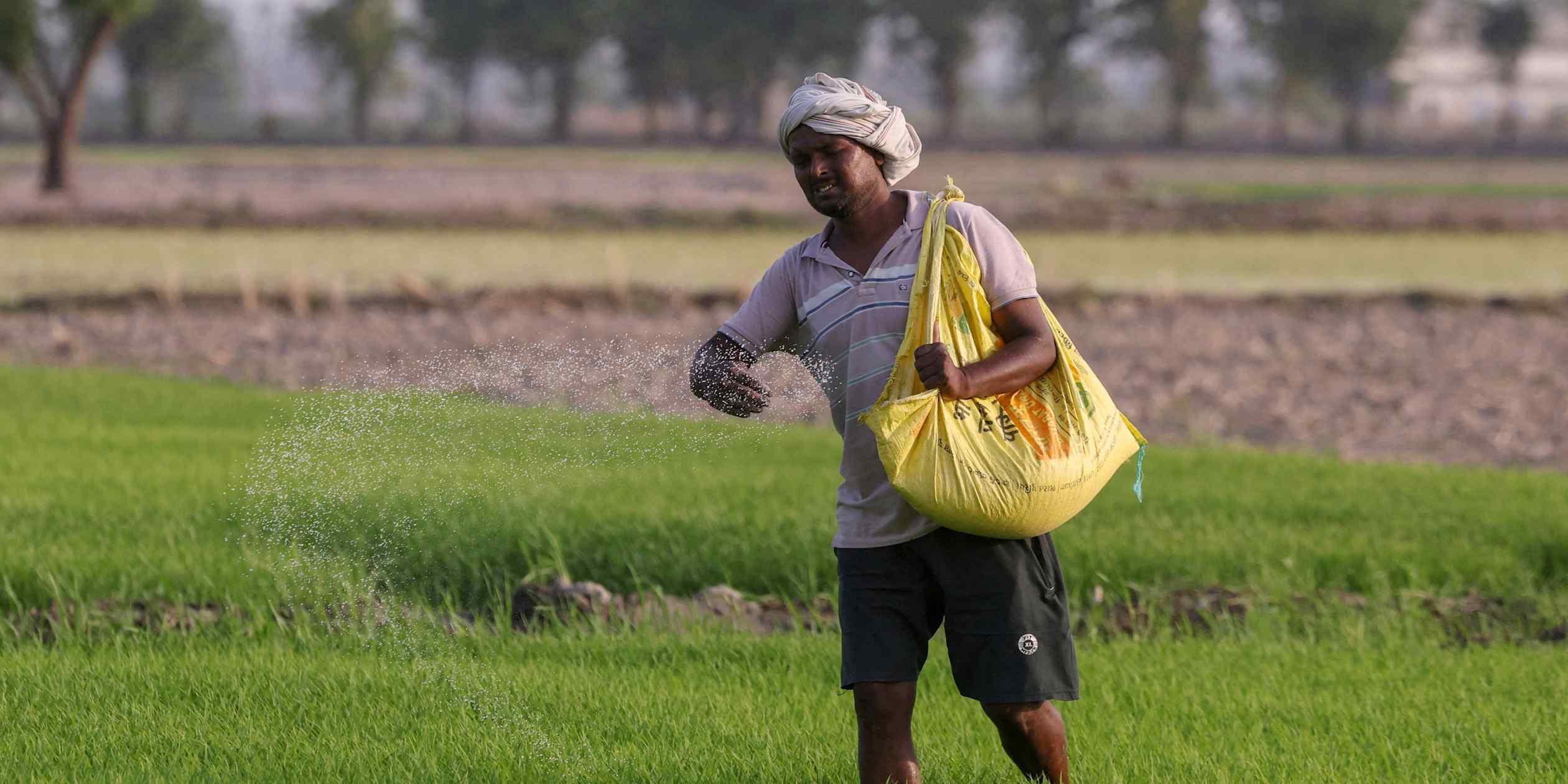
India is intensifying efforts to promote natural and organic farming practices as geopolitical tensions threaten global urea supplies, a critical input for the country's agriculture sector. Uncertainty surrounding Iran's role in global ammonia and urea production has unsettled commodity markets, raising concerns about fertilizer availability and affordability for Indian farmers.
Urea, a nitrogen-based fertilizer essential for crop production, has become subject to price volatility and supply constraints amid regional instability. India, which relies on both domestic production and imports to meet fertilizer demand, faces mounting pressure to diversify its nutrient sources and reduce dependence on volatile international markets.
In response, policymakers are promoting natural farming techniques that minimize synthetic fertilizer use through composting, crop rotation, and biological nutrient cycling. The shift aligns with broader sustainability goals while offering a pragmatic solution to supply-chain vulnerabilities. State agricultural departments have begun expanding training programs and financial incentives for farmers transitioning to organic methods.
Experts note that while natural farming cannot immediately replace large-scale synthetic fertilizer use, a gradual transition could reduce India's exposure to international market shocks. Ammonia production capacity, another avenue being explored, could strengthen domestic fertilizer self-sufficiency and buffer against future supply disruptions.