World · India Bureau
India faces ethanol dilemma as maize becomes key fuel blending source
Maize has surged to become India's primary ethanol feedstock, now accounting for nearly half of all fuel-grade ethanol blended into petrol supplies. The rapid expansion raises critical questions about balancing renewable fuel mandates with food security concerns.
LSN India ·
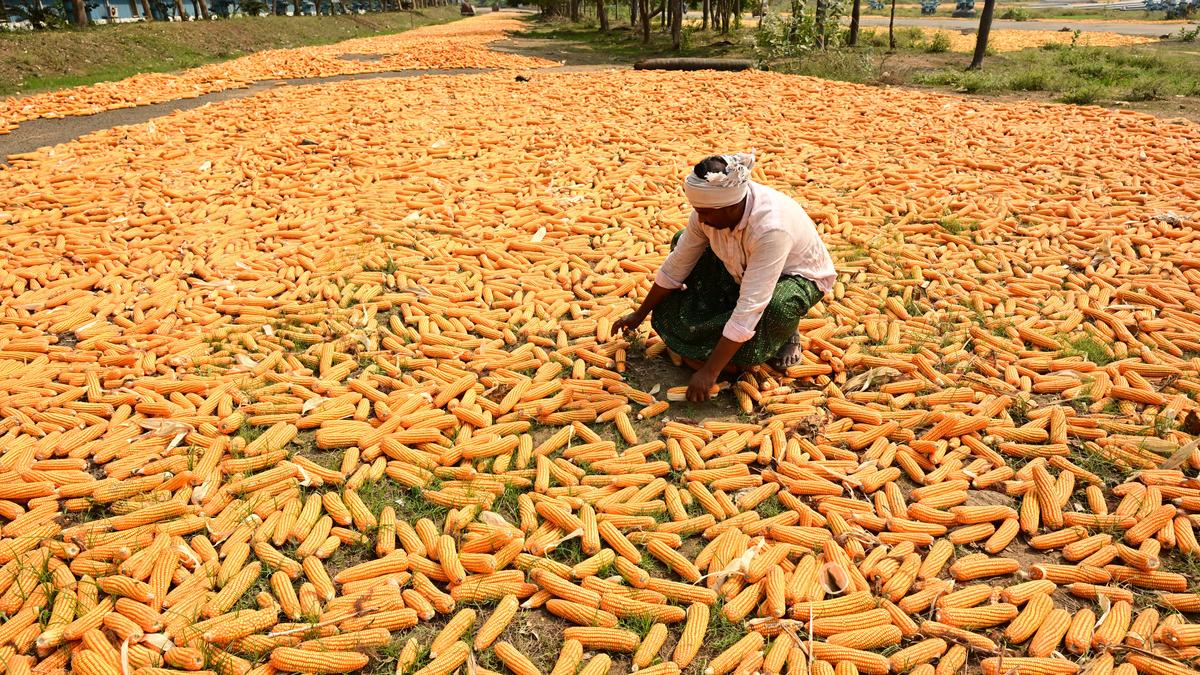
India's ethanol industry has undergone a dramatic transformation over the past three years, with maize displacing traditional feedstocks to become the dominant source of fuel-grade ethanol. The grain now supplies close to 50 percent of all ethanol blended into the nation's petrol supplies, a striking increase from virtually nothing just three years ago.
The shift reflects India's push to meet ethanol blending mandates while managing costs in an environment of depressed crude oil prices. Lower petroleum costs have made maize-based ethanol economically competitive, encouraging refineries and fuel producers to source the grain as their primary renewable feedstock.
However, the growing dependence on maize for fuel production presents a complex policy challenge for India. The widespread use of food grains for ethanol production raises questions about food security and agricultural resource allocation, particularly in a nation where millions rely on stable grain supplies and affordable food prices.
Industry observers note that the current low crude price environment has created an unexpected incentive structure favoring maize-based ethanol. As long as petroleum prices remain suppressed, maize will likely continue to dominate the ethanol supply chain, though policymakers may face mounting pressure to address the food versus fuel debate that the trend has sparked.